
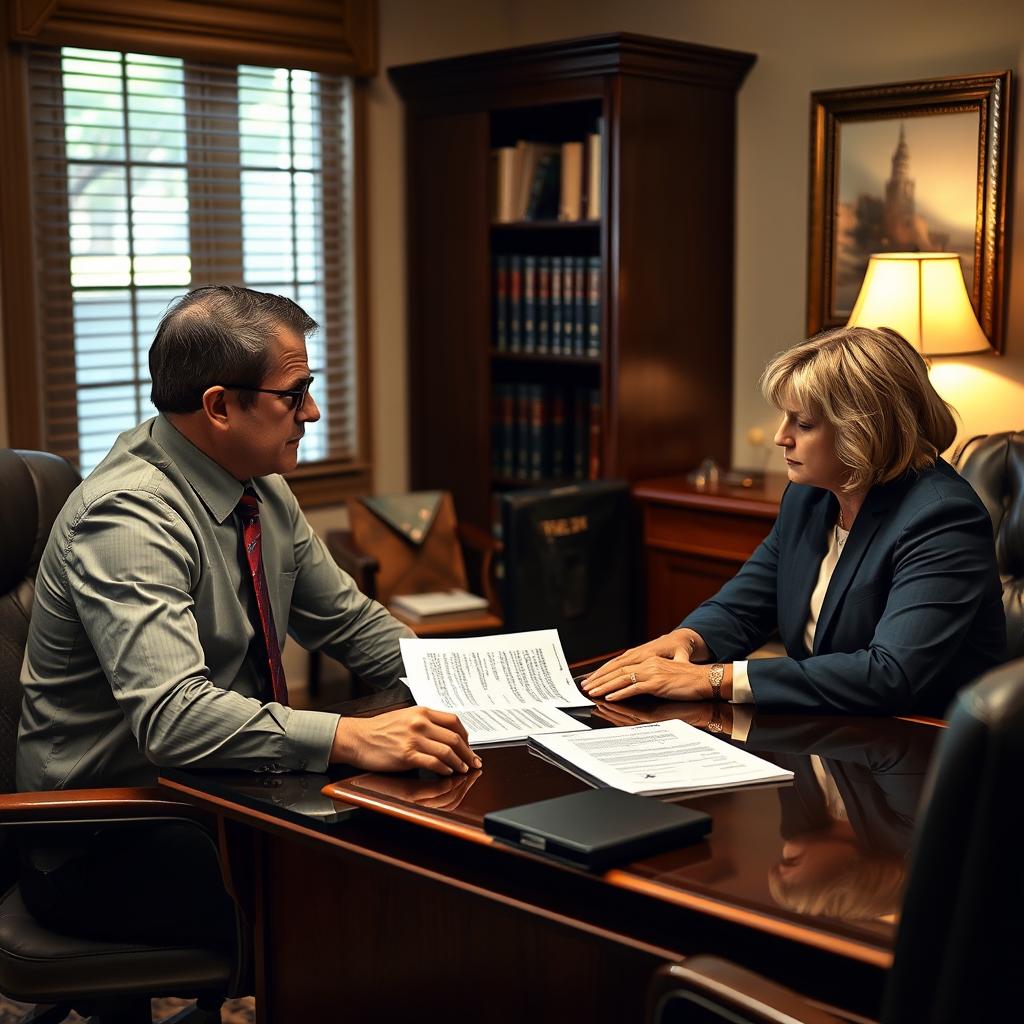
Trafficking in Counterfeit Goods lawyer Poquoson, VA
Facing a federal charge under 18 U.S.C. § 2320 for trafficking in counterfeit goods can upend your life and your business. Federal authorities—often working through agencies like the FBI or ICE—build these cases over many months, and prosecutors in the U.S. Attorney’s Office for the Eastern District of Virginia pursue them actively. If you are in Poquoson, Virginia, or anywhere on the Peninsula, your case will likely proceed in the Newport News Division of the U.S. District Court, where the legal exposure includes significant imprisonment and mandatory restitution. Mr. Sris, a former prosecutor, leads the firm’s federal practice, and the firm’s Of Counsel attorneys bring experience in federal criminal defense to every engagement. Time is not on your side: early intervention can shape the direction of a federal counterfeit-goods investigation. Reach Law Offices Of SRIS, P.C. at (888) 437-7747 to request a consultation. Law Offices Of SRIS, P.C. – Advocacy Without Borders.
What Federal Trafficking in Counterfeit Goods Means in Poquoson, VA
Poquoson, an independent city along the Chesapeake Bay, is part of the Hampton Roads region. Federal criminal matters arising here fall within the Eastern District of Virginia, a district known for swift dockets and experienced federal prosecutors. Cases are frequently filed in the Newport News or Norfolk divisions. Because Poquoson does not have a federal courthouse, pretrial proceedings, detention hearings, and trial take place in Newport News—a short drive across the bridge. The firm’s Richmond location serves clients from Poquoson and the surrounding areas, and Mr. Sris appears regularly before the federal judges in that division.
Trafficking in counterfeit goods, as defined by federal law, encompasses importing, selling, or distributing goods that bear a counterfeit mark. Congress enacted stiff penalties to protect intellectual property rights and consumer safety. The Eastern District of Virginia has historically seen a wide range of these cases—from small online operations to large-scale importation rings. Because federal sentencing follows the advisory U.S. Sentencing Guidelines, the consequences often turn on the value of the infringing goods, the number of items, and whether the defendant has a prior record. A conviction can bring a lengthy prison term, heavy fines, and forfeiture of assets. The government also has wide latitude to charge other offenses in the same indictment—wire fraud, mail fraud, or conspiracy—if the alleged conduct crossed state or international lines.
How Mr. Sris and the Firm’s Of Counsel Attorneys Handle Federal Counterfeit-Goods Cases
Federal prosecutions are investigation-driven. By the time an indictment is unsealed, the government has typically gathered extensive evidence—financial records, shipping manifests, undercover communications, and forensic analyses. Mr. Sris and the firm’s Of Counsel attorneys approach each matter by first dissecting the government’s case to identify procedural and evidentiary weaknesses. This may include challenges to the validity of search warrants, the chain of custody on seized merchandise, or the reliability of valuation evidence offered to establish the loss amount under the Guidelines.
After the initial assessment, the team focuses on preserving every pretrial option. Negotiations with the U.S. Attorney’s Office can explore whether the case is appropriate for a pretrial diversion program, a deferred prosecution agreement, or a plea to a lesser offense. If the matter proceeds to trial, Mr. Sris and the firm’s Of Counsel attorneys are prepared to cross-examine investigators, attorneys, and cooperating witnesses. Throughout the process, clients are kept informed of the case status, and every strategic decision is discussed thoroughly. Because federal sentencing exposes a person to the harsh realities of a system without parole, the firm works to present the strongest possible mitigation. This includes highlighting the client’s background, the actual role in the alleged offense, and any cooperation offered to the government.
About Mr. Sris and the Firm’s Of Counsel Attorneys
Mr. Sris, Owner and Founder of Law Offices Of SRIS, P.C., is a former prosecutor who has practiced since 1997. His experience on the other side of the aisle gives him insight into how federal cases are assembled and where the prosecution’s strategy may falter. Mr. Sris testified before the Virginia House Courts of Justice Committee in support of 2019 HB 635 (chief patron Del. David Bulova). He is admitted in Virginia, Maryland, the District of Columbia, New Jersey, and New York, allowing the firm to assist clients across multiple federal jurisdictions.
The firm’s Of Counsel attorneys—all experienced litigators—support Mr. Sris on federal matters. Together, the team has handled a broad range of federal criminal defense cases throughout the Eastern District of Virginia, including matters arising in Poquoson and the Peninsula. The firm’s collective litigation experience means that clients benefit from multiple perspectives in crafting a defense strategy, whether the goal is a negotiated resolution or trial.
Frequently Asked Questions
What should I do if I am investigated for trafficking in counterfeit goods?
If you learn of a federal investigation, do not speak with agents until you have consulted an experienced federal criminal defense attorney. Federal agents often approach individuals before an arrest and seek to obtain statements that can later be used against them. You have the right to remain silent and the right to counsel. Immediately document everything you remember—dates, agencies involved, and any documents presented—and preserve any records that may be relevant. Then reach a federal lawyer who can contact the prosecutor on your behalf to determine the status of the investigation and protect your rights. Early legal intervention can sometimes prevent an indictment altogether.
How does a Virginia federal lawyer defend against counterfeit-goods charges?
A defense against federal trademark-counterfeiting charges typically centers on challenging the government’s evidence that the accused knew the goods were counterfeit and intended to defraud. The firm’s approach includes scrutinizing search warrants for constitutional defects, questioning the reliability of valuation methodologies used to calculate loss amounts, and examining the chain of custody on seized goods. In some matters, the defense may demonstrate that the goods were not counterfeit under the statutory definition or that the client lacked the requisite knowledge. Negotiations with prosecutors can also lead to a plea to a lesser offense, which may reduce the sentencing exposure dramatically, especially when the defendant accepts responsibility early and cooperates with the government.
What are the potential penalties for a federal trafficking conviction?
Penalties under 18 U.S.C. § 2320 include imprisonment for up to ten years—twenty years for a second or subsequent offense—and restitution to the rights holder. In addition to incarceration, the court may order forfeiture of any property used to commit the offense or derived from proceeds of the crime, as well as destruction of the counterfeit items. The U.S. Sentencing Guidelines drive the actual sentence, and factors such as the quantity of goods, their retail value, and whether the offense involved a conscious or reckless risk of death or serious bodily injury can increase the severity. Federal cases have no parole, and supervised release will follow any term of imprisonment.
Is trafficking in counterfeit goods always a federal crime?
Yes, the federal trademark-counterfeiting statute is a federal offense, and most trafficking cases are prosecuted in U.S. District Court. However, state authorities may also bring charges under Virginia’s own counterfeit-laws if the alleged conduct occurred wholly within the Commonwealth and does not trigger federal jurisdiction. More often, federal agencies take the lead because counterfeit trafficking frequently involves interstate or foreign commerce. When federal and state charges potentially overlap, it is critical to have counsel who understands both systems. The firm’s Virginia-based federal practice is positioned to advise clients on the interplay between federal and state proceedings.
Why should I hire a lawyer familiar with the Eastern District of Virginia?
The Eastern District of Virginia is known for its “rocket docket,” where cases move from indictment to trial faster than most federal districts. Having a lawyer who regularly appears in the Newport News and Norfolk divisions means that the defense team understands local judicial preferences, the U.S. Attorney’s Office charging practices, and the probation office’s approach to presentence reports. Mr. Sris and the firm’s Of Counsel attorneys have handled federal matters across the Eastern District and use that familiarity to build an effective strategy tailored to the court where the case is filed. For someone in Poquoson, this local knowledge can make a meaningful difference in case preparation and courtroom advocacy.
Can I get a consultation before charges are filed?
Yes, the firm meets with individuals who believe they are under federal investigation even if no indictment has been returned. During a pre-charge consultation, Mr. Sris and the firm’s Of Counsel attorneys can analyze the known facts, explain the likely path an investigation may take, and discuss proactive steps—including voluntary cooperation, evidence preservation, and retention of forensic experts—that can position a client favorably. Nothing is promised, but early legal advice often helps a person avoid mistakes that could make a future prosecution more difficult to defend. To discuss your situation, reach Law Offices Of SRIS, P.C. at (888) 437-7747.
Official sources:
U.S. District Court, Eastern District of Virginia |
18 U.S.C. § 2320
Attorney advertising. Prior results do not guarantee a similar outcome. Case results depend on a variety of factors unique to each case. Results may vary.