
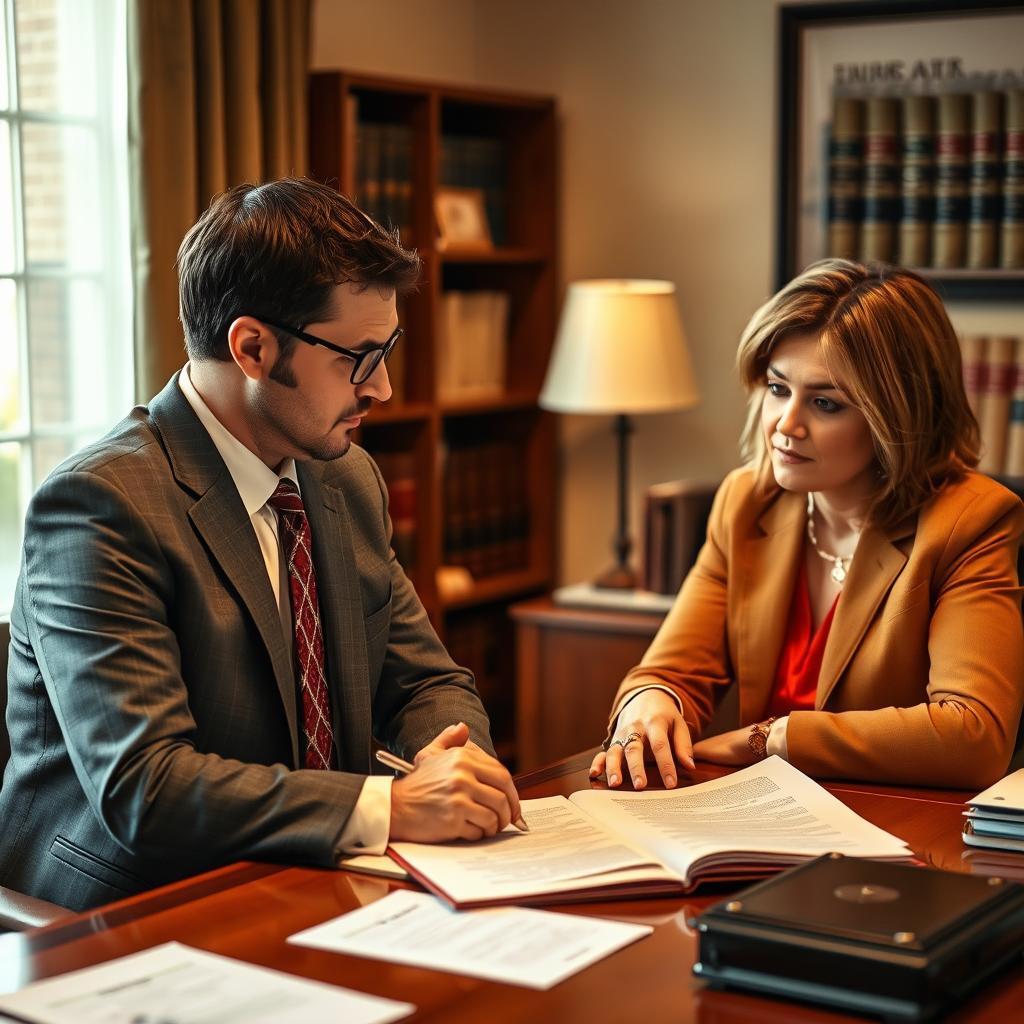
Toxic Exposure Lawyer Isle of Wight County, VA
If you have been exposed to toxic chemicals, hazardous waste, or dangerous environmental pollutants in Isle of Wight County, Virginia, you may have a valid civil claim for damages. Toxic exposure injuries—whether from contaminated water, industrial emissions, or harmful workplace substances—can cause severe illness and long-term health problems. Under Virginia law, plaintiffs must act quickly: a two-year statute of limitations applies. Moreover, Virginia follows the harsh contributory negligence rule, meaning any degree of fault by the injured person can bar recovery entirely. Having an experienced legal team that understands the local court system and the science behind toxic exposure is essential. Mr. Sris, Owner and Founder of Law Offices Of SRIS, P.C., and the firm’s Of Counsel attorneys represent individuals and families in Isle of Wight County who have been harmed by toxic substances. To discuss your situation, call (888) 437-7747. Law Offices Of SRIS, P.C. – Advocacy Without Borders.
What a Toxic Exposure Claim Means in Isle of Wight County
Toxic exposure claims arise when a person is injured by contact with dangerous substances. In Isle of Wight County, these cases may involve contaminated groundwater, pesticide drift from agricultural operations, chemical spills from trucking accidents along Route 10 or Route 258, or exposure to lead, asbestos, or other harmful materials in older buildings. The unique geography of the county—with its mix of rural farmland, historic structures, and proximity to the James River—presents distinct risk factors that can give rise to claims.
Virginia law imposes strict requirements on these claims. A personal injury action, including one based on toxic exposure, must be filed within two years of the date of injury under Va. Code § 8.01-243. In Isle of Wight County, claims that do not exceed the jurisdictional limit are filed in the General District Court; claims above that limit proceed in the Circuit Court. More importantly, Virginia is a pure contributory negligence state: if the person who was exposed is found even one percent at fault, recovery is entirely barred. This makes early evidence preservation—including medical records, environmental testing, and witness statements—critical. The courthouse at 17122 Monument Circle, Suite A, Isle of Wight, VA 23397, is where such matters are heard.
How Mr. Sris and the Firm’s Of Counsel Attorneys Handle Toxic Exposure Cases
When a client comes to the firm with a potential toxic exposure claim, the first step is to thoroughly investigate the source of the exposure. Mr. Sris, Owner and Founder of Law Offices Of SRIS, P.C., and the firm’s Of Counsel attorneys work with environmental attorney and medical professionals to identify the hazardous substance and document the link between that substance and the client’s illness. Because insurance companies often dispute causation in these cases, building a detailed factual and scientific record is key.
The firm then evaluates all avenues of recovery. This may involve claims against a property owner, a manufacturer, an employer, or a transporter of hazardous materials. Throughout the process, the firm’s attorneys remain mindful of Virginia’s contributory negligence rule and anticipate the arguments an insurer or defendant might raise. While many toxic exposure cases resolve through negotiation with insurers, the firm is prepared to take a matter to trial in the Isle of Wight County Circuit Court or General District Court when that serves the client’s best interests. Mr. Sris and the firm’s Of Counsel attorneys approach each case with a focus on the specific facts and the applicable statutory framework.
About Mr. Sris and the Firm’s Of Counsel Attorneys
Mr. Sris founded Law Offices Of SRIS, P.C. in 1997 after serving as a former prosecutor. He is admitted to practice in Virginia, Maryland, the District of Columbia, New Jersey, and New York. Mr. Sris testified before the Virginia House Courts of Justice Committee in support of 2019 HB 635 (chief patron Del. David Bulova). His experience includes working with clients across a wide spectrum of personal injury matters, and he maintains a hands-on role in the firm’s civil litigation practice. The firm’s Richmond location serves clients throughout Isle of Wight County.
Mr. Sris and the firm’s Of Counsel attorneys bring extensive combined legal experience. They have documented favorable outcomes for clients in Isle of Wight County across multiple practice areas. Results may vary. To learn how the firm may assist with a toxic exposure claim, call (888) 437-7747.
Frequently Asked Questions
What is the statute of limitations for a toxic exposure injury in Isle of Wight County?
In Virginia, the statute of limitations for a personal injury claim, including one arising from toxic exposure, is two years from the date of injury. This is established by Va. Code § 8.01-243. The deadline is strictly enforced; if a lawsuit is not filed within the two-year period, the court will likely dismiss the case. There are limited exceptions, such as when the injury was not reasonably discoverable until later, but relying on an exception is risky. The applicable court is the Isle of Wight County Circuit Court or General District Court, depending on the claim amount. Anyone who believes they have been harmed should promptly consult an attorney to protect their right to seek compensation.
What is contributory negligence and how does it affect my toxic exposure claim?
Virginia follows the doctrine of contributory negligence, which completely bars recovery if the injured person is found to be even a tiny part at fault. This is one of the strictest rules in the country. In a toxic exposure case, an insurer may argue that you contributed to your injury by failing to use safety equipment, ignoring warnings, or exposing yourself to another source of harm. If a court or jury agrees that you bear any share of responsibility, you receive nothing. This makes it essential to have an attorney who can anticipate and counter these arguments from the very beginning, preserving evidence that demonstrates the defendant’s sole liability.
Do I need a lawyer to pursue a toxic exposure claim in Isle of Wight County?
You are not legally required to hire an attorney, but the complexity of Virginia’s contributory negligence rule and the scientific evidence involved make experienced legal guidance critically important. Toxic exposure cases often involve disputes about medical causation, the type and duration of exposure, and the identity of responsible parties. Insurance companies have substantial resources dedicated to denying or minimizing claims. An attorney who handles toxic exposure matters can work with expert witnesses, gather the necessary documentation, and navigate the procedural requirements of the Isle of Wight County courts. Most personal injury attorneys, including the firm, handle these cases on a contingency basis, meaning you pay no fee unless there is a recovery.
What types of toxic exposure cases does the firm handle?
The firm represents clients in a variety of toxic exposure matters, including those involving industrial chemicals, contaminated water, hazardous waste, asbestos, mold, pesticides, and chemical spills. Whether the exposure occurred at a workplace, in a residential setting, or through environmental contamination, Mr. Sris and the firm’s Of Counsel attorneys evaluate the circumstances to determine the viability of a claim. The firm’s approach includes examining the pathway of exposure, the toxicity of the substance, the resulting medical condition, and the responsible parties. Each case is assessed individually, and the firm works to hold wrongdoers accountable.
How is fault proven in a toxic exposure case?
Proving fault in a toxic exposure case generally requires showing that the defendant breached a duty of care, the exposure occurred, and the exposure caused the injury. Evidence often includes environmental testing, medical records, safety inspection reports, and testimony from scientific and medical experts. The specific standard of proof is a preponderance of the evidence, meaning it is more likely than not that the defendant’s actions caused the harm. Because of Virginia’s contributory negligence rule, the firm works to demonstrate that the plaintiff bore no responsibility for the exposure. Early investigation is crucial, as physical evidence and witness recollections can fade over time.
What damages can I recover in a toxic exposure injury case?
If your claim succeeds, you may recover compensation for medical expenses, lost wages, pain and suffering, and other losses caused by the toxic exposure. In Virginia, there is no cap on compensatory damages in most personal injury cases. This means the court or jury may award the full amount of economic and non-economic harm you suffered. In rare cases where the defendant’s conduct was particularly egregious, punitive damages may also be available, though these are capped by statute. The firm works to document both the immediate and long-term financial impact of a client’s injury, including future medical care and diminished earning capacity.
Internal navigation: The firm handles personal injury matters across Virginia. You may also be interested in our personal injury lawyer in Fairfax County, VA, personal injury lawyer in Prince William County, VA, and personal injury lawyer in Manassas, VA.
Primary legal resources: Virginia Code § 8.01-243 | Virginia Courts
Attorney advertising. Prior results do not guarantee a similar outcome. Results may vary. Call (888) 437-7747.
Case results depend on a variety of factors unique to each case.