
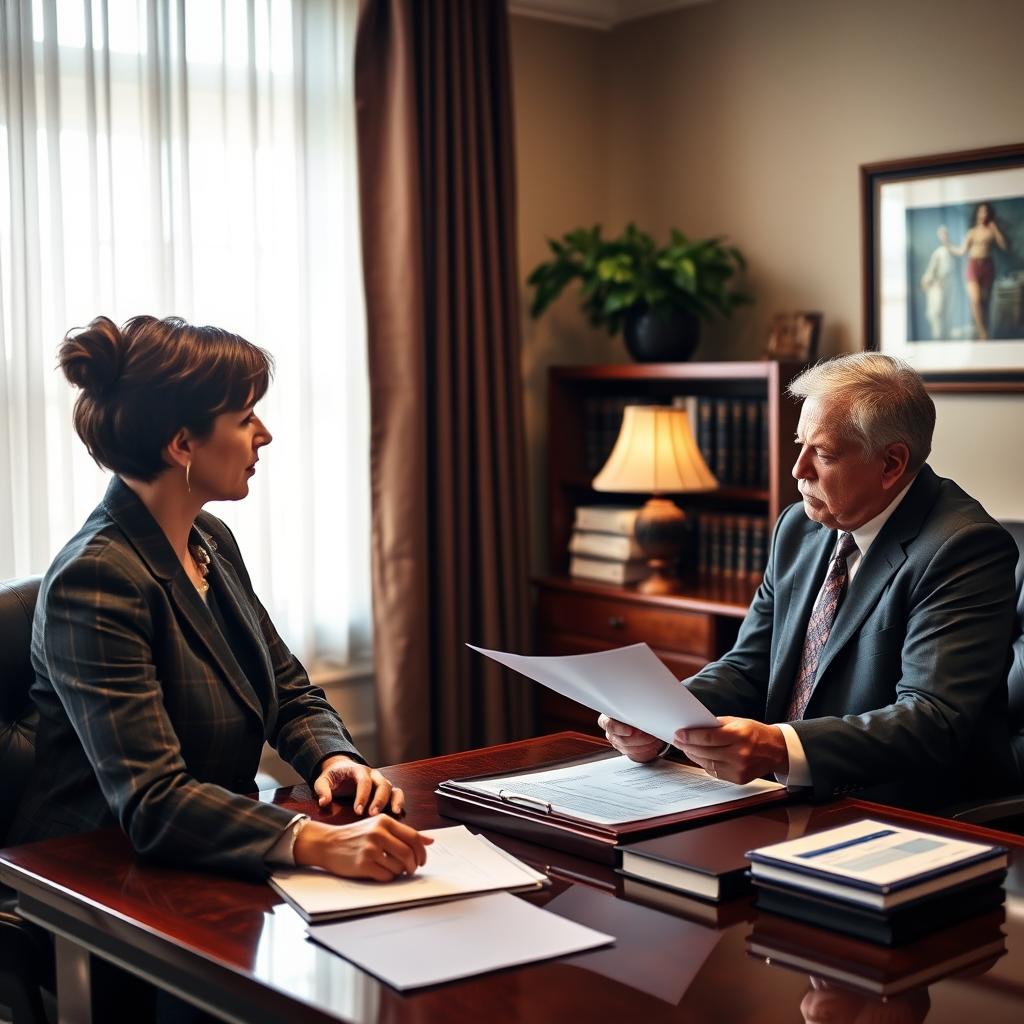
Rehabilitative Alimony Lawyer Isle of Wight County, VA
Rehabilitative alimony is a form of spousal support designed to help a financially dependent spouse acquire the education, training, or work experience necessary to become self-supporting after a divorce. In Isle of Wight County, Virginia, these matters are heard in the Isle of Wight County Circuit Court, which has jurisdiction over divorce and equitable distribution, or in the Isle of Wight County Juvenile and Domestic Relations District Court for standalone support matters. The court applies the statutory factors listed in Virginia Code § 20‑107.1 when deciding whether to award rehabilitative alimony, its amount, and its duration. Mr. Sris and his Of Counsel team at Law Offices Of SRIS, P.C. represent clients in rehabilitative alimony proceedings throughout Isle of Wight County, including Smithfield, Windsor, and Carrollton. The firm’s Richmond location serves clients in the county, and consultations can be scheduled by calling (888) 437‑7747. Law Offices Of SRIS, P.C. – Advocacy Without Borders.
What Rehabilitative Alimony Means in Isle of Wight County
Rehabilitative alimony is temporary support awarded to a spouse who needs time and resources to re-enter the workforce or upgrade skills. Unlike permanent alimony—which may be ordered when a spouse cannot achieve self-sufficiency due to age, health, or other barriers—rehabilitative alimony focuses on a defined transition period. The Isle of Wight County Circuit Court, located at 17122 Monument Circle in Isle of Wight, evaluates the receiving spouse’s need, the paying spouse’s ability to pay, and the specific plan for rehabilitation, such as completing a degree or certification program.
The statutory framework under Virginia Code § 20‑107.1 lists several factors the court must weigh, including the duration of the marriage, the standard of living established during the marriage, the financial resources and earning capacities of each spouse, and the contributions each spouse made to the family’s well-being. Because Isle of Wight County is part of Virginia’s Fifth Judicial District, local judges apply these factors in light of regional economic conditions. Mr. Sris and his Of Counsel have experience presenting the financial and vocational evidence the court needs to make an informed decision, whether the case proceeds by negotiation or litigation.
How Mr. Sris and His Of Counsel Handle Rehabilitative Alimony Cases
A rehabilitative alimony case begins with a thorough financial disclosure. Mr. Sris and his Of Counsel work with clients to gather income records, employment histories, educational backgrounds, and any existing vocational evaluations. If the receiving spouse has a concrete plan—such as enrollment in a community college or a job-training program—the firm presents that plan to the court to justify the duration and amount of support. When the parties can agree on the terms, the firm drafts a settlement agreement that addresses the length of alimony, the monthly amount, and the conditions under which support may end or be modified.
For cases that proceed to trial, Mr. Sris and his Of Counsel advocate before the Isle of Wight County Circuit Court using the statutory factors as a framework. They may present testimony from vocational attorneys, highlight the other spouse’s financial capacity, and argue for a plan that is reasonable under the circumstances. Because rehabilitative alimony is by design temporary, the firm’s approach emphasizes a realistic timeline that balances the receiving spouse’s need for support with the paying spouse’s financial obligations. Throughout the process, clients receive guidance on the local court’s scheduling and procedural expectations.
About Mr. Sris and His Of Counsel Team
Mr. Sris, Owner and Founder of Law Offices Of SRIS, P.C., has practiced family law since the firm was founded in 1997. His background as a former prosecutor gives him insight into how evidence is evaluated and how to build a persuasive case, both in settlement discussions and in the courtroom. Mr. Sris testified before the Virginia House Courts of Justice Committee in support of 2019 HB 635 (chief patron Del. David Bulova).
Mr. Sris’s Of Counsel team includes experienced attorneys who support the firm’s family law practice. Collectively, the team handles a wide range of domestic-relations matters across Virginia, Maryland, the District of Columbia, New Jersey, and New York. The firm’s Richmond location serves Isle of Wight County and the surrounding Fifth Judicial District. Clients benefit from a collaborative approach that draws on the team’s extensive experience with Virginia’s equitable distribution and spousal support laws.
Frequently Asked Questions
What is rehabilitative alimony in Virginia?
Rehabilitative alimony is temporary spousal support awarded by a Virginia court to help a dependent spouse obtain education or job training and become self-supporting. The court structures the support so that the receiving spouse can complete a defined plan—such as earning a degree or attending vocational school—and enter the workforce within a reasonable period. The authority for the award is Virginia Code § 20‑107.1, and the court must weigh all relevant statutory factors before setting the amount and duration.
How is rehabilitative alimony different from permanent alimony?
Rehabilitative alimony is temporary and tied to a specific plan for self-sufficiency, while permanent alimony is indefinite support for a spouse who cannot reasonably become self-supporting. Permanent alimony may be appropriate when a spouse is unable to work due to age, disability, or after a very long marriage where the receiving spouse has been out of the workforce for decades. The Isle of Wight County Circuit Court decides which type of alimony is appropriate based on the facts of each case.
What factors does the court consider when deciding rehabilitative alimony?
Virginia Code § 20‑107.1 requires the court to consider the receiving spouse’s need for support, the paying spouse’s ability to pay, and the specific plan for rehabilitation. The court also looks at the duration of the marriage, the standard of living, the ages and health of both parties, their respective financial resources and earning capacities, and the contributions each spouse made to the family. In Isle of Wight County, the judge may ask for a detailed rehabilitation plan before approving rehabilitative support.
Can rehabilitative alimony be modified after the divorce?
Yes, rehabilitative alimony can be modified if there is a material change in circumstances, but the modification must be requested before the support term expires. For example, if the receiving spouse’s education program takes longer than expected or the paying spouse’s income changes significantly, either party may petition the court. A request to extend or terminate rehabilitative alimony requires showing that the original circumstances have changed in a substantial way.
Do I need a lawyer for a rehabilitative alimony case in Isle of Wight County?
While you are not legally required to have a lawyer, an experienced family law attorney can help you present the financial evidence and rehabilitation plan the court needs to make a fair award. Rehabilitative alimony cases often involve detailed financial disclosures, vocational assessments, and negotiations over the length and amount of support. Mr. Sris and his Of Counsel provide guidance on these issues and can represent you in the Isle of Wight County Circuit Court or the Juvenile and Domestic Relations District Court.
How do I start a rehabilitative alimony case in Isle of Wight County?
You typically request rehabilitative alimony as part of a divorce complaint filed in Isle of Wight County Circuit Court, or as a separate petition in the Juvenile and Domestic Relations District Court if no divorce is pending. The process begins by gathering financial information and, if possible, a proposed rehabilitation plan. Once the pleading is filed, the court may schedule a hearing or encourage settlement discussions. Contact Law Offices Of SRIS, P.C. at (888) 437‑7747 to discuss your situation and determine the appropriate filing strategy.
Additional Family Law Resources
Explore related family law pages for other Virginia localities:
Fairfax County Family Law Lawyer
Prince William County Family Law Lawyer
Fairfax City Family Law Lawyer
Falls Church Family Law Lawyer
Manassas Family Law Lawyer
Virginia legal authority
Virginia Code
Virginia Judicial System
Virginia Legislative Information System
Attorney advertising. Prior results do not guarantee a similar outcome.
Case results depend on a variety of factors unique to each case.