
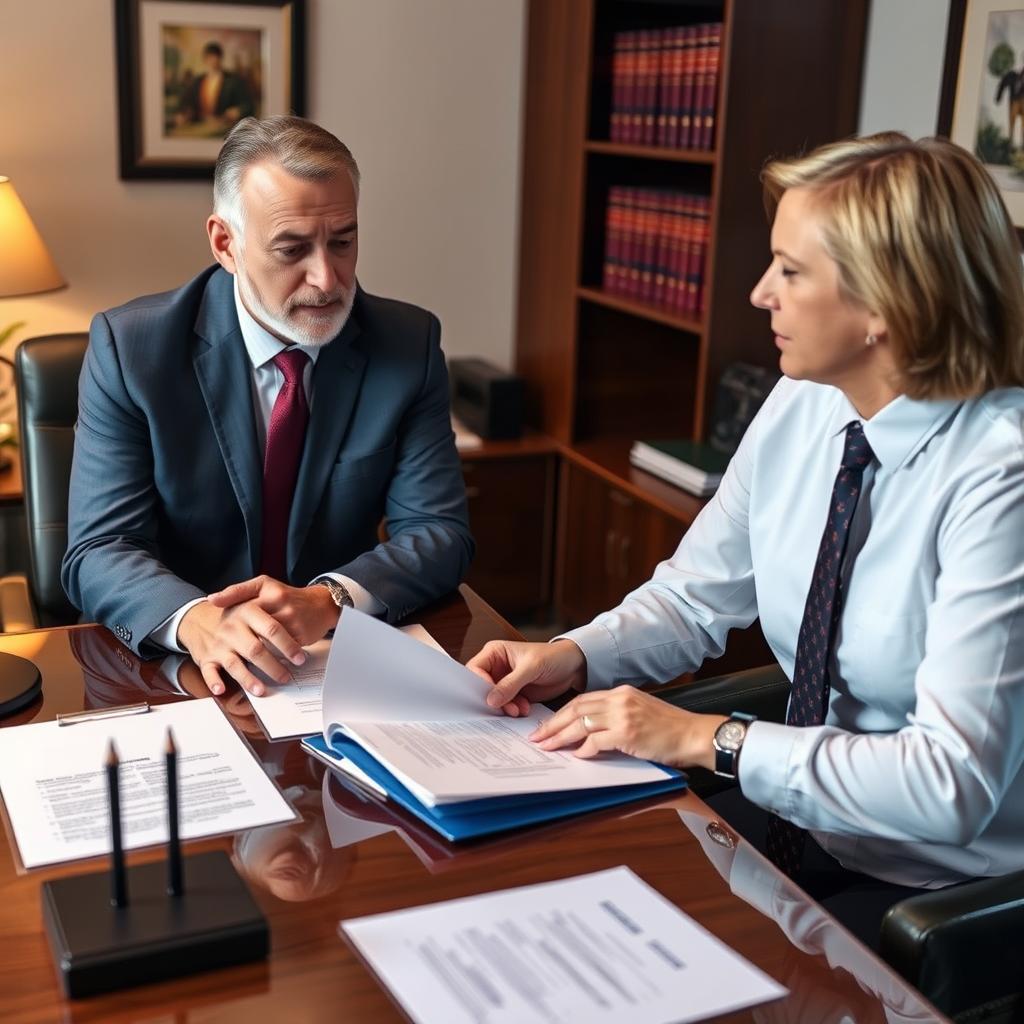
Marital Agreement Lawyer York County, VA
For individuals in York County, Virginia, who are entering into marriage or already married, a marital agreement can provide clarity and financial protection. These agreements—prenuptial agreements executed before marriage and postnuptial agreements executed after—allow couples to define property rights, spousal support obligations, and other financial matters outside of Virginia’s default statutory scheme. The Virginia Premarital Agreement Act (Va. Code § 20‑147 et seq.) sets forth the requirements for a valid and enforceable agreement. When properly drafted and executed, a marital agreement can help avoid costly disputes and provide certainty for both parties. At Law Offices Of SRIS, P.C., Mr. Sris and his Of Counsel bring extensive experience to marital agreement matters in the York County area. The firm’s Richmond location serves clients throughout York County, including Yorktown, Grafton, Tabb, and Seaford. To speak with a Marital Agreement lawyer serving York County, call (888) 437‑7747. Law Offices Of SRIS, P.C. – Advocacy Without Borders.
What Marital Agreement Means in York County
A marital agreement in Virginia is a written contract between spouses or prospective spouses that addresses property distribution, spousal support, and other financial rights. The Virginia Premarital Agreement Act governs both prenuptial and postnuptial agreements. Under the statute, a premarital or marital agreement must be in writing, signed by both parties, and entered into voluntarily with a fair and reasonable disclosure of each party’s financial situation—or with actual knowledge of that information. The agreement becomes effective upon marriage for prenuptial agreements, or upon execution for postnuptial agreements.
In York County, the York County Circuit Court, located at 300 Ballard Street, Yorktown, Virginia, has jurisdiction over the enforcement, validity challenges, and interpretation of marital agreements in the context of divorce proceedings. Virginia is an equitable distribution state under Va. Code § 20‑107.3, but a valid marital agreement can override the court’s default distribution of marital property. This means that a well‑crafted agreement can control how assets, debts, and spousal support are handled, rather than leaving those decisions to the discretion of the court.
Marital agreements are commonly used by couples with significant assets, business interests, or children from prior marriages. They can also address the disposition of specific property, define what constitutes separate property, and establish spousal support parameters. Because Virginia law imposes strict compliance with statutory requirements, working with an attorney who practices in this area is essential to ensure that the agreement will be upheld if challenged.
How Mr. Sris and His Of Counsel Handle Marital Agreement Cases
Mr. Sris and his Of Counsel approach each marital agreement matter with a thorough understanding of Virginia’s legal framework and the practical concerns of the individuals involved. The process typically begins with a consultation to discuss the client’s goals, financial circumstances, and family situation. Whether the client is seeking a prenuptial agreement before a wedding or a postnuptial agreement to address changing circumstances, the attorney will explain the legal requirements and options available.
The next step involves gathering financial information and preparing a draft that accurately reflects the parties’ intentions. Full financial disclosure is required under the Premarital Agreement Act, and the agreement must be structured to avoid ambiguity that could lead to future litigation. Mr. Sris and his Of Counsel work with the client to craft language that is clear, enforceable, and tailored to Virginia law. If there are negotiations between the parties’ respective counsel, the firm advocates for the client’s interests while keeping the process as constructive as possible.
If a marital agreement is later challenged—for example, in a York County divorce action—the firm represents clients in enforcement or defense of the agreement. Issues such as alleged non‑disclosure, duress, or unconscionability are evaluated, and Mr. Sris’s litigation experience provides a foundation for addressing such disputes. The firm’s multi‑state background also assists clients whose financial affairs or prior marriages involve laws of other jurisdictions.
About Mr. Sris and His Of Counsel Team
Mr. Sris, Owner and Founder of Law Offices Of SRIS, P.C., is a former prosecutor who founded the firm in 1997. He is admitted to practice in Virginia, Maryland, the District of Columbia, New Jersey, and New York. Mr. Sris testified before the Virginia House Courts of Justice Committee in support of 2019 HB 635 (chief patron Del. David Bulova). His experience spans multiple practice areas, including family law matters such as marital agreements, divorce, and equitable distribution.
Mr. Sris’s Of Counsel team includes attorneys with diverse professional backgrounds, all engaged through the firm. Together, the team brings extensive collective experience to marital agreement cases. The firm ensures that every matter receives careful attention, with the goal of producing agreements that hold up under legal scrutiny. Appointments are available at the firm’s locations, including the Richmond location, which serves York County clients. Phone consultations are available for those who cannot travel.
The firm’s ability to communicate in English, Spanish, and Tamil helps serve a broad range of clients in York County and across Virginia. Whether you are entering a first marriage, a second marriage, or need to address post‑marital financial changes, Mr. Sris and his Of Counsel can provide guidance on marital agreements.
Frequently Asked Questions
What is the difference between a prenuptial and a postnuptial agreement in Virginia?
A prenuptial agreement is made before marriage and becomes effective upon the marriage, while a postnuptial agreement is entered into after the marriage has already taken place. Both types of agreements are governed by the Virginia Premarital Agreement Act and must meet the same statutory requirements: they must be in writing, signed voluntarily by both parties, and include fair financial disclosure or actual knowledge. The primary practical difference is timing, but postnuptial agreements may face additional scrutiny because the parties are already married and owe each other fiduciary duties. An attorney can help determine which type of agreement fits your circumstances.
Are prenuptial agreements enforceable in York County, Virginia?
Yes, a prenuptial agreement that complies with Virginia’s statutory requirements is generally enforceable in York County Circuit Court. To be valid, the agreement must be in writing, signed by both parties, and entered into voluntarily. Full and fair disclosure of financial information—or actual knowledge of the other party’s financial situation—is required. If a party later challenges the agreement, the court will examine whether the execution was free from fraud, duress, or overreaching, and whether the agreement is unconscionable at the time of enforcement. Proper drafting with the help of an attorney significantly increases the likelihood that the agreement will be upheld.
Can a marital agreement address spousal support and property division?
A marital agreement can address both spousal support and the division of property, including what assets are classified as separate or marital. Virginia law allows parties to contract out of the default equitable distribution rules under Va. Code § 20‑107.3. The agreement can specify whether spousal support will be waived, set at a particular amount, or determined by a formula. It can also define how specific assets—such as real estate, retirement accounts, or business interests—will be treated. However, the court retains the authority to refuse enforcement of spousal support provisions if they would cause one party to become eligible for public assistance. An experienced marital agreement lawyer can draft provisions that balance these considerations.
Do I need a lawyer to create a marital agreement in Virginia?
You are not legally required to have a lawyer to create a marital agreement, but working with an attorney helps ensure that the agreement meets Virginia’s statutory requirements and is enforceable. A self‑prepared agreement may contain ambiguities, incomplete disclosures, or terms that conflict with Virginia law, which can later cause the entire agreement to be invalidated. Each party should, at minimum, obtain independent legal advice before signing. Mr. Sris and his Of Counsel represent one party in the agreement, providing drafting, review, and negotiation services to safeguard that party’s interests.
What should I bring to a consultation with a marital agreement lawyer?
To a consultation about a marital agreement, bring a list of your assets and debts, including real estate, bank and retirement accounts, business interests, and any existing estate planning documents. Also provide a general summary of your income and any anticipated inheritance or gifts. If you and your spouse or fiancé have already discussed the agreement, bring notes on the terms you have considered. The attorney will use this information to evaluate whether a prenuptial or postnuptial agreement is appropriate, explain what disclosures are required, and outline the next steps. All information shared during the consultation is confidential.
How are marital agreements enforced in York County?
Enforcement of a marital agreement in York County typically arises within a divorce or legal separation action filed in the York County Circuit Court. If one party seeks to apply the terms of the agreement while the other challenges its validity, the court will hold a hearing on the enforceability question. The defending party may present evidence that the agreement was voluntarily signed, that full financial disclosure was made, and that the terms are not unconscionable. The court’s ruling can then shape the ultimate division of property and spousal support. Because enforcement litigation is fact‑intensive, having an attorney who practices in this area is important for mounting or opposing a challenge.
Last reviewed: July 2026
Family Law Lawyer in James City County
Family Law Lawyer in Williamsburg
Family Law Lawyer in Fairfax County
Family Law Lawyer in Falls Church
Authoritative sources:
Attorney advertising. Prior results do not guarantee a similar outcome.
Results may vary.
Case results depend on a variety of factors unique to each case.