
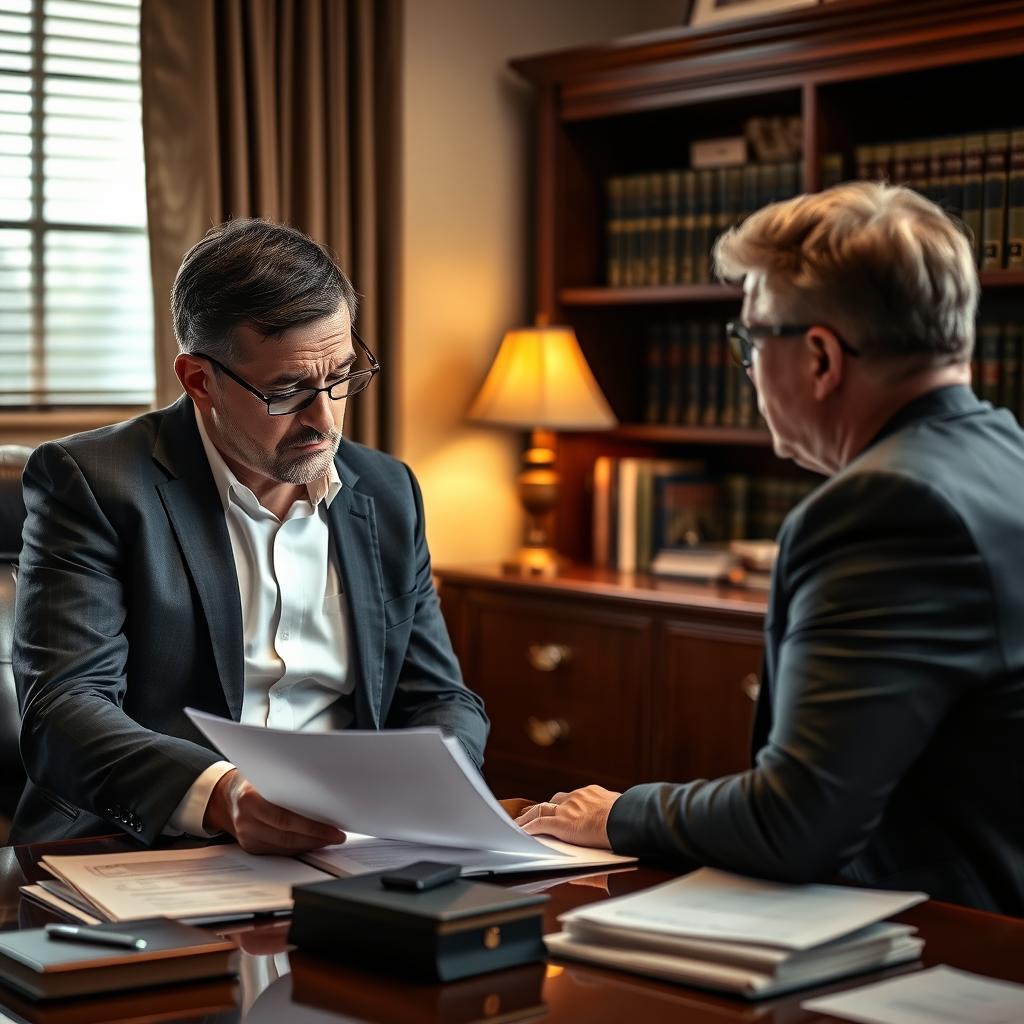
Estate Lawyer Cortland NY
When a family member passes away or you begin planning for your own future, the legal processes in Cortland County can feel unfamiliar. Whether you are named as executor in a will, need to open a probate proceeding in the Cortland County Surrogate’s Court, or want to create a comprehensive estate plan that protects your assets and your wishes, experienced guidance matters. At Law Offices Of SRIS, P.C., Mr. Sris and the firm’s Of Counsel attorneys assist clients across Cortland County—from the City of Cortland to Homer, Marathon, and the surrounding communities—with every stage of estate and trust administration, will contests, and long-term planning. If you are looking for an estate lawyer in Cortland, NY, reach our firm at (888) 437-7747 to schedule a consultation.
What Estate Planning and Probate Mean in Cortland County
Estate matters in Cortland County are principally handled through the Cortland County Surrogate’s Court, located in the county seat of Cortland. The Surrogate’s Court oversees probate of wills, administration of intestate estates (when there is no will), will contests, and proceedings for the appointment of a guardian of the property or person for an adult who may need assistance. Because the court serves a relatively compact geographical area, the judges and court staff often become familiar with the local families, financial institutions, and medical providers that appear in these cases. This localized judicial culture means that an attorney who regularly appears in the Surrogate’s Court can help you anticipate how a particular matter is likely to proceed.
New York’s Estates, Powers and Trusts Law (EPTL) and the Surrogate’s Court Procedure Act (SCPA) set the procedural and substantive framework, but Cortland’s rural character and close-knit community add practical considerations. For example, many families in Cortland County hold farmland, small business interests, or long-owned family homes that raise unique valuation and distribution questions. A farm succession plan, for instance, may involve not just a will or trust but also a review of agricultural leases, conservation easements, and partnership agreements. Our estate planning work in Cortland County takes these local factors into account while ensuring your documents comply with New York law.
How Mr. Sris and the Firm’s Of Counsel Attorneys Handle Estate Cases
Estate administration in New York follows a structured path, but each case reflects the specific family dynamics, asset composition, and wishes of the decedent or the person planning ahead. When we represent an executor or administrator, we first inventory the decedent’s assets, determine which assets pass outside probate (such as jointly owned property or accounts with named beneficiaries), and prepare the necessary petitions and citations for the Surrogate’s Court. Throughout the process, we communicate with the executor about their responsibilities—from notifying creditors and potential distributees to filing an inventory of assets and a final accounting with the court.
For estate planning, we focus on creating instruments that carry out your goals while minimizing the potential for future disputes. This often includes a last will and testament, possibly a revocable living trust, and ancillary documents such as a power of attorney, health care proxy, and living will. Because New York does not impose a state estate tax on estates below a certain threshold—the state exemption amount changes periodically—our analysis includes a review of both New York and federal estate tax considerations. We also address long-term care planning and how Medicaid eligibility may interact with your estate plan, always keeping your specific family situation at the center of the discussion. The firm’s Of Counsel attorneys bring a range of experience in both litigation and transactional matters, so if a dispute arises—such as a will contest or a contested accounting—they work alongside Mr. Sris to protect the interests of the estate or the beneficiary.
About Mr. Sris and the Firm’s Of Counsel Attorneys
Mr. Sris, Owner and Founder of Law Offices Of SRIS, P.C., founded the firm in 1997. He is admitted in Virginia, Maryland, the District of Columbia, New Jersey, and New York. Mr. Sris testified before the Virginia House Courts of Justice Committee in support of 2019 HB 635 (chief patron Del. David Bulova). Mr. Sris and the firm’s Of Counsel attorneys bring extensive combined legal experience. Results may vary. The firm’s Of Counsel attorneys are independent practitioners who contract directly with the firm and appear in Cortland County proceedings under Mr. Sris’s supervision. Together, they serve clients throughout Central New York, including Cortland County, with a focus on estate planning, probate, and trust administration.
The firm’s Cortland location is at 46 Greenbush Street, Suite 301, Cortland, NY 13045. By appointment only. The firm’s Cortland office is approximately 150 miles from Buffalo, New York. To schedule a consultation, call (888) 437-7747.
Frequently Asked Questions
What does an estate lawyer do in Cortland County?
An estate lawyer assists individuals and families with planning for the distribution of assets after death, navigating probate proceedings in the Surrogate’s Court, and resolving disputes related to wills, trusts, and estates. In Cortland County, this includes advising executors and administrators on their legal duties, preparing and filing petitions in the Cortland County Surrogate’s Court, and representing parties in will contests or accountings. The lawyer also drafts estate planning documents—wills, trusts, powers of attorney, and health care proxies—to reflect the client’s wishes and protect beneficiaries.
How does probate work in Cortland County Surrogate’s Court?
Probate in Cortland County Surrogate’s Court is the court-supervised process of proving the validity of a will, appointing an executor, identifying and collecting the decedent’s assets, paying debts, and distributing the remaining property to the beneficiaries named in the will. The executor files a petition with the court along with the original will and a certified death certificate. The court will issue citations to interested parties. Once the will is admitted to probate, the executor can marshal assets under the court’s authority. The timeline depends on the complexity of the estate and the court’s calendar.
Do I need a lawyer to serve as executor of an estate in New York?
While New York law does not require an executor to hire an attorney, most executors benefit from legal guidance because the role carries fiduciary duties and specific court filing requirements. An executor must inventory assets, notify creditors, possibly file tax returns, and prepare a final accounting for the court. Any misstep can lead to personal liability. An experienced attorney helps ensure that all statutory deadlines are met and that the executor follows the Surrogate’s Court Procedure Act, reducing the risk of a beneficiary challenge.
What is the difference between a will and a trust in New York?
A will is a document that takes effect at death and directs how property passes through probate; a trust can be effective during life (a living trust) or at death (a testamentary trust) and may allow assets to avoid probate entirely. In New York, a revocable living trust can hold assets during your lifetime and then distribute them according to the trust terms without court involvement. A will, by contrast, must go through the Surrogate’s Court for probate before distribution. Which instrument is appropriate depends on your goals, the nature of your assets, and your family circumstances.
Can I contest a will in Cortland County?
Yes, a person with legal standing—typically a distributee who would inherit if the will were invalid—can file objections to the probate of a will in Cortland County Surrogate’s Court. Common grounds for a will contest include lack of testamentary capacity, undue influence, fraud, or improper execution. The objectant must file timely objections and the court will hold a hearing. The process involves discovery, depositions, and potentially a trial. Because will contests are fact-intensive, early consultation with an attorney is important to evaluate the strength of a potential claim.
Does having a will avoid the need for probate in New York?
No—a will does not avoid probate; it actually requires probate to be validated by the Surrogate’s Court. The purpose of probate is for the court to confirm that the document is the decedent’s valid last will. Assets that pass outside probate—such as jointly held property with right of survivorship, accounts with payable-on-death designations, and assets in a trust—do not need to go through probate regardless of whether a will exists. If your goal is to minimize court involvement, you may consider trust-based planning and beneficiary designations.
Related Practice Areas and Resources
Probate Lawyer Cortland •
Wills Lawyer Cortland •
Trust Lawyer Cortland •
Estate Planning Lawyer New York •
Cortland County Surrogate’s Court Lawyer
New York Primary Authority
Cortland County Surrogate’s Court •
New York Estates, Powers and Trusts Law (EPTL) •
Surrogate’s Court Procedure Act (SCPA)
Attorney advertising. Prior results do not guarantee a similar outcome.
Case results depend on a variety of factors unique to each case.
Results may vary.