
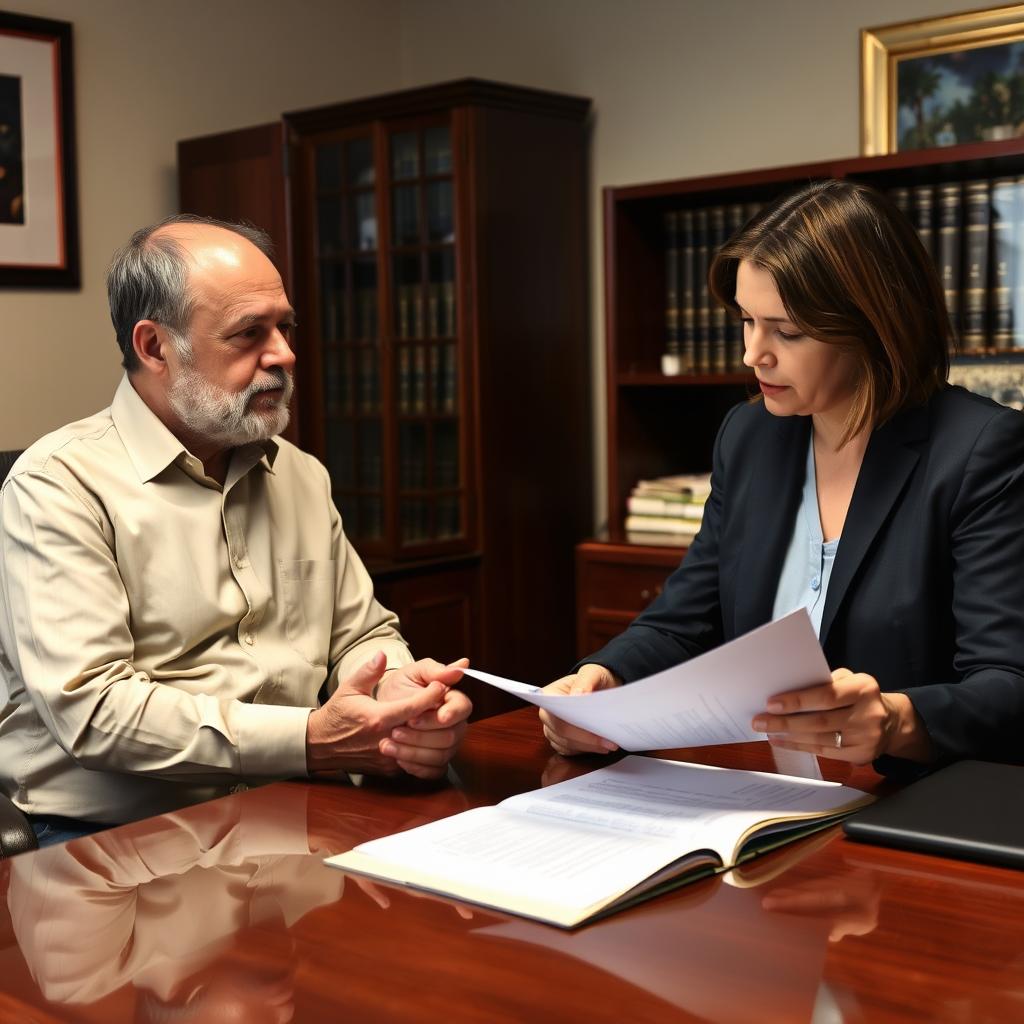
Domestic Violence Defense Lawyer James City County, VA
In James City County, a domestic violence charge under Virginia Code § 18.2‑57.2 can disrupt your life immediately. The accusation alone may lead to an arrest, a magistrate‑set bond, and a protective order that bars you from your home even before a trial. The Williamsburg/James City County General District Court—located at 5201 Monticello Avenue, Suite 4, Williamsburg—handles misdemeanor domestic assault and battery cases, while felony charges or jury‑trial demands proceed in the James City County Circuit Court. Mr. Sris and his Of Counsel team at Law Offices Of SRIS, P.C. represent individuals facing domestic violence allegations in these courts, working to protect your rights at every stage, from the initial bond hearing through trial or negotiated resolution. If you or someone you care about has been charged, contact our firm at (888) 437‑7747 to request a consultation. Law Offices Of SRIS, P.C. – Advocacy Without Borders.
What Domestic Violence Defense Means in James City County
Because the James City County Commonwealth’s Attorney prosecutes domestic violence allegations seriously, defendants need representation that understands both the statutory framework and the local court culture. The offense defined by Va. Code § 18.2‑57.2 makes it a Class 1 misdemeanor for a first offense of assault and battery against a family or household member—exposing a defendant to up to 12 months in jail and a $2,500 fine. A third conviction within 20 years elevates the charge to a Class 6 felony, which carries 1 to 5 years in prison. Moreover, a conviction under § 18.2‑57.2 triggers the federal Lautenberg Amendment, resulting in a lifetime prohibition on firearm possession under 18 U.S.C. § 922(g)(9). These collateral consequences make even a first‑offense domestic violence charge a matter of significant gravity.
James City County’s court system is part of the Ninth Judicial District, and cases are heard at the combined Williamsburg/James City County General District Court. Misdemeanor trials, arraignments, and bond appeals occur in the GDC, while felony trials and appeals de novo are heard in the Circuit Court. Prosecutors in the Commonwealth’s Attorney office typically oppose bond reduction requests and often seek active outcomes in domestic assault matters. Defendants who are arrested appear before a magistrate who sets bond—often secured bond for felony charges—and the court schedules preliminary hearings and trials on its calendar. Mr. Sris and his Of Counsel have appeared in these courts and are familiar with the local pretrial process and the procedural nuances that can affect the direction of a case.
The Williamsburg/James City County General District Court hears misdemeanor domestic violence trials and felony preliminary hearings. Counsel familiar with this court’s procedures can address bond appeals, evidentiary issues, and pretrial motions effectively.
How Mr. Sris and His Of Counsel Handle Domestic Violence Cases
Defending a domestic violence charge requires a thorough evaluation of the accuser’s statements, physical evidence, and any recordings or photographs. Mr. Sris and his Of Counsel examine whether the Commonwealth can meet its burden of proving each element of Va. Code § 18.2‑57.2 beyond a reasonable doubt. This often involves scrutinizing police reports for inconsistencies, interviewing witnesses, and, where appropriate, engaging independent attorneys to evaluate medical records or 911 recordings. Every case is reviewed for procedural compliance; the team checks whether probable cause was properly established for the arrest and whether any statements were obtained in violation of the defendant’s rights.
The firm’s approach is to build a well‑prepared defense that targets weaknesses in the prosecution’s case while remaining mindful of the long‑term consequences a conviction can carry—immigration impacts, professional license repercussions, or mandatory compliance with court‑ordered anger management programs. Because the Commonwealth’s Attorney may agree to amend charges under certain circumstances, Mr. Sris and his Of Counsel explore all avenues for a favorable resolution, including deferred‑disposition options where available. Their strategy is tailored to the specific facts of your matter, always aimed at steering the case toward the most favorable outcome possible.
About Mr. Sris and His Of Counsel Team
Mr. Sris, Owner and Founder of Law Offices Of SRIS, P.C., has practiced since 1997 and is admitted in Virginia, Maryland, the District of Columbia, New Jersey, and New York. A former prosecutor, Mr. Sris understands how the other side builds a domestic violence case—experience that directly informs his defense strategy. His Of Counsel team includes attorneys who bring backgrounds as former Virginia State Troopers and Maryland prosecutors, giving the firm practical insight into police procedures, investigation standards, and courtroom dynamics. Together, Mr. Sris and his Of Counsel bring over 120 years of combined legal experience with 4,739+ documented firm-wide results. Results may vary.
Frequently Asked Questions
What is domestic violence under Virginia law?
Under Va. Code § 18.2‑57.2, domestic violence is an assault and battery committed against a family or household member. A family or household member includes a spouse, ex‑spouse, parent, child, sibling, in‑law, or person who has cohabited with the accused within the previous 12 months. The charge can arise from an incident as minor as a push or shove. Even if the alleged victim does not wish to pursue the matter, the Commonwealth’s Attorney may proceed with the prosecution. For a first offense, it is a Class 1 misdemeanor; repeat offenses can become felonies. The law is enforced strictly across Virginia, and a conviction has lasting collateral effects.
What are the penalties for a domestic violence conviction in James City County?
A first‑offense conviction for domestic assault and battery is a Class 1 misdemeanor punishable by up to 12 months in jail and a $2,500 fine. A third conviction within 20 years is a Class 6 felony punishable by 1 to 5 years in prison. Beyond the criminal penalties, a conviction under § 18.2‑57.2 triggers the federal Lautenberg Amendment, causing a permanent loss of firearm rights. The court may also impose supervised probation, require completion of an anger management or treatment program, and issue a protective order that can restrict contact and housing. The specific sentence depends on the facts of the case and the defendant’s prior record. Mr. Sris and his Of Counsel work toward outcomes that minimize these consequences.
How can a lawyer defend against domestic violence charges?
An experienced defense attorney challenges the prosecution’s evidence by examining witness credibility, physical evidence, and the circumstances of the arrest. Defenses may include showing that the accused acted in self‑defense, that the alleged victim gave inconsistent statements, or that the Commonwealth cannot prove the required familial relationship beyond a reasonable doubt. The firm also examines whether the police conducted a proper investigation and whether any constitutional violations occurred during the arrest or interrogation. Where the facts support it, Mr. Sris and his Of Counsel negotiate with the Commonwealth’s Attorney for an amendment to a non‑domestic‑violence charge, such as simple assault under § 18.2‑57, which avoids the federal firearm disability.
Do I need a lawyer for a domestic violence charge in James City County?
Yes; a domestic violence charge carries potential jail time, a permanent criminal record, and collateral consequences that a lawyer can help you navigate. Even a first‑offense Class 1 misdemeanor can impact employment, housing, professional licenses, and firearm rights. The Williamsburg/James City County General District Court and Circuit Court have procedural deadlines and evidentiary rules that are difficult to manage without legal training. Mr. Sris and his Of Counsel can explain the charges, evaluate the evidence, negotiate with the prosecutor, and represent you at trial if necessary. Early involvement by counsel can influence bond conditions, plea discussions, and the ultimate result.
Can domestic violence charges be dismissed in James City County?
Yes, domestic violence charges can be dismissed if the prosecution cannot prove its case or if the court grants a deferred disposition. Under certain circumstances, the Commonwealth’s Attorney may nolle prosequi the charge—effectively dropping it—if evidence is weak or the complaining witness is uncooperative. Virginia also allows a first‑offense domestic assault charge to be deferred under Va. Code § 18.2‑57.3, which places the defendant on probation with conditions such as completing an education or treatment program. Upon successful completion, the court may dismiss the charge, avoiding a conviction. Whether dismissal is possible depends on the specific facts and the prosecutor’s assessment.
What happens at an arraignment for domestic violence in James City County?
At the arraignment, the court formally advises you of the charge, sets or reviews bail conditions, and schedules your trial date. In the Williamsburg/James City County General District Court, the arraignment typically occurs shortly after arrest. The magistrate will have already set a bond, but the judge may reconsider bond—either raising or lowering the amount, or ordering unsecured personal recognizance. The court also may issue or affirm a protective order. Your attorney can argue for a reasonable bond and for terms that allow you to continue working and maintain contact with your family. The next court date—often a preliminary hearing for felony charges or trial for misdemeanors—is then set on the court’s calendar.
Related pages:
York County Criminal Defense Lawyer ·
Williamsburg Criminal Defense Lawyer ·
Fairfax County Criminal Defense Lawyer
Attorney advertising. Prior results do not guarantee a similar outcome.
Case results depend on a variety of factors unique to each case.
Results may vary.