
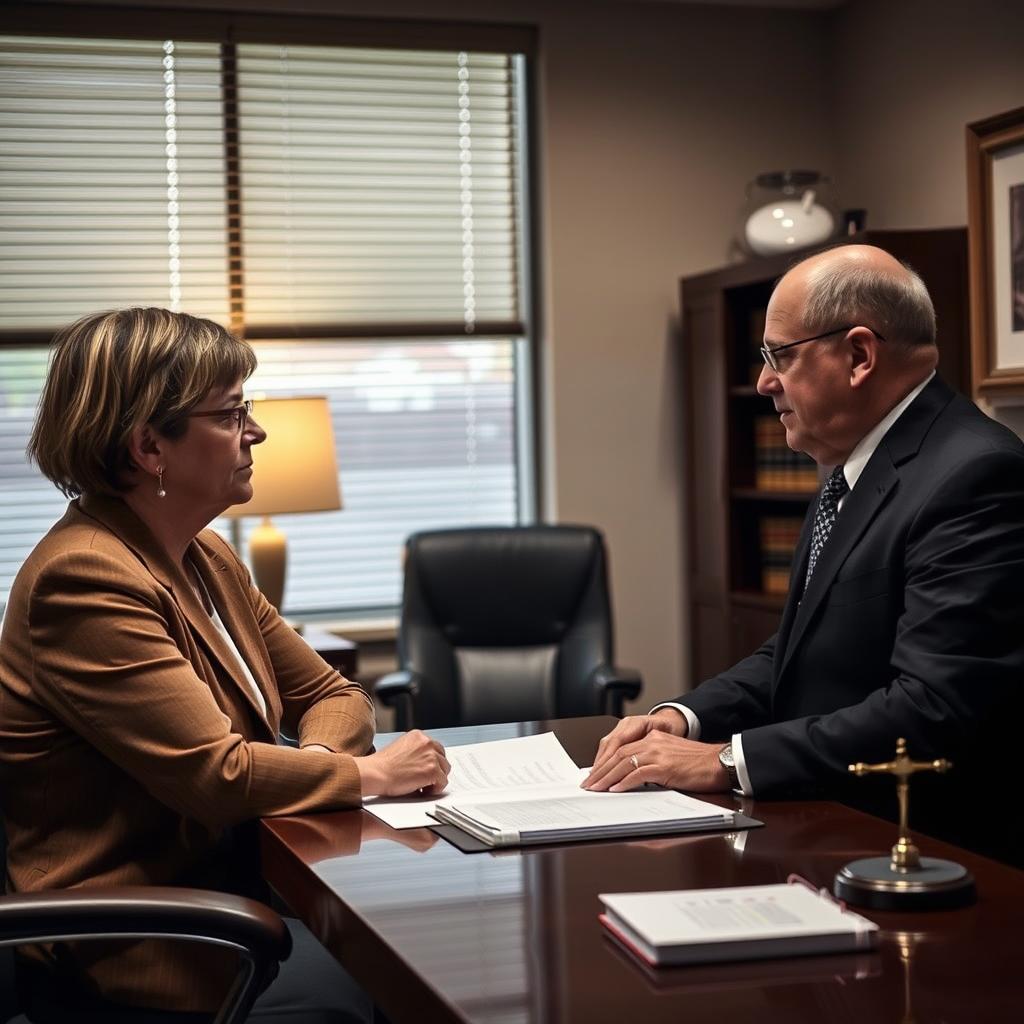
Criminal Copyright Infringement lawyer York County, VA
Federal criminal copyright infringement charges are serious and carry consequences that can alter every aspect of a person’s life. In York County, Virginia, such cases are prosecuted in the United States District Court for the Eastern District of Virginia (EDVA), with the Newport News Division—located at 2400 W Avenue, Newport News, VA 23607—handling many matters that arise in this region. A charge under 18 U.S.C. § 2319 accuses a defendant of willfully infringing a copyright for commercial advantage or private financial gain, and a conviction can result in incarceration, substantial monetary penalties, and a federal felony record. There is no parole in the federal system, so any prison term must be served with only limited good‑time credit. Law Offices Of SRIS, P.C. represents clients throughout York County who face federal criminal copyright allegations. Reach Mr. Sris at (888) 437-7747 to request a consultation. Law Offices Of SRIS, P.C. – Advocacy Without Borders.
What Criminal Copyright Infringement Means in York County
Criminal copyright infringement is a federal offense that places a defendant squarely in the U.S. District Court. The EDVA—one of the fastest and most scrutinized federal districts in the country—prosecutes these cases with experienced Assistant U.S. Attorneys who have substantial resources. For someone living in Yorktown, Grafton, Tabb, or Seaford, the journey through the federal system typically begins at the Newport News federal courthouse. The court schedules initial appearances, detention hearings, and later proceedings on its calendar, and defendants must navigate a process that includes grand jury indictment, pretrial discovery, motion practice, and, if the case is not resolved, a trial before a U.S. District Judge.
The stakes in a criminal copyright case are heightened by the federal sentencing framework. The U.S. Sentencing Guidelines provide a structure that the court must consider, and the final sentence is influenced by the specific facts of the alleged infringement—whether it involved large‑scale distribution, the number of copies, the retail value of the infringing works, and the defendant’s prior record. Collateral consequences extend beyond the term of imprisonment: a federal felony conviction can affect employment, professional licensing, immigration status, and the right to possess firearms. Because the process moves on the government’s timetable, early legal representation is critical to protecting a defendant’s rights from the investigation stage through sentencing.
How Mr. Sris Handles Criminal Copyright Infringement Cases
Federal criminal copyright defense requires an understanding of both the statutory framework and the procedural rhythms of the EDVA. Mr. Sris—a former prosecutor who has practiced since 1997—approaches each case by first examining the government’s evidence. He investigates whether the infringement was willful, whether the commercial-advantage element is supportable, and whether the applicable statute of limitations has been met. He also evaluates how the government obtained its evidence, including whether search warrants were properly supported and whether any statements made by the defendant were taken in compliance with constitutional standards.
When representation begins early in the process, the firm’s attorneys can advocate at the initial appearance and detention hearing, arguing for conditions of release that allow a client to remain with family while the case proceeds. During the pretrial phase, they file substantive motions—such as motions to suppress evidence, to dismiss defective counts, or to compel discovery—that aim to shape the case before trial. If a trial becomes necessary, Mr. Sris prepares vigorously, working with attorneys and conducting a thorough cross‑examination of government witnesses. When a plea resolution is in a client’s best interest, they negotiate with the U.S. Attorney’s Office from a position of preparation, seeking the most favorable terms possible under the Sentencing Guidelines.
About Mr. Sris
Mr. Sris, Owner and Founder of Law Offices Of SRIS, P.C., brings a prosecutorial perspective to federal criminal defense. Before founding the firm in 1997, he served as a prosecutor and later testified before the Virginia House Courts of Justice Committee in support of 2019 HB 635 (chief patron Del. David Bulova). He is admitted in Virginia, Maryland, the District of Columbia, New Jersey, and New York. Mr. Sris represents clients in the EDVA and other federal districts, handling cases that demand meticulous preparation and a thorough approach to the law.
Frequently Asked Questions
What is criminal copyright infringement?
Criminal copyright infringement is the willful violation of a copyright for commercial advantage or private financial gain, prosecuted as a federal felony. Under 18 U.S.C. § 2319, the government must prove that the defendant acted willfully and that the infringement met certain statutory thresholds. Federal prosecutions are brought by the U.S. Attorney’s Office in the district where the offense occurred.
What are the potential consequences of a conviction?
A conviction for criminal copyright infringement can result in a term of imprisonment, substantial fines, and a federal felony record. There is no parole in the federal system, so any prison sentence is served except for limited good‑time credits. The court also may order restitution to the copyright holder and a period of supervised release following incarceration. Collateral consequences can include difficulty securing employment, loss of professional licenses, and immigration consequences for non‑citizens.
How does the federal prosecution process work in the EDVA?
The federal prosecution starts with an investigation—often by the FBI—and proceeds through indictment, initial appearance, detention hearing, arraignment, discovery, pretrial motions, possible plea negotiations, trial, and sentencing. For York County defendants, these proceedings take place in the Newport News Division of the EDVA. The court sets its own schedule, and the timeline varies by case complexity. An experienced federal defense attorney can guide a defendant through each stage and protect constitutional rights from the beginning.
Do I need a lawyer for criminal copyright infringement charges?
You are not required to hire a lawyer, but the federal system is complex and the stakes are high. A criminal copyright case involves technical evidence, attorneys, and Sentencing Guidelines that require careful navigation. An experienced federal defense attorney can identify weaknesses in the government’s case, negotiate with prosecutors, and present mitigating factors at sentencing. Without representation, a defendant may miss critical opportunities to obtain a more favorable outcome.
How can a lawyer defend against these charges?
A defense attorney can challenge the government’s evidence in several ways. Defenses may focus on whether the infringement was willful, whether the defendant had the requisite criminal intent, whether the government’s investigation complied with the Fourth Amendment, or whether the value of the infringing works was properly calculated. In some cases, the attorney may negotiate a pre‑indictment resolution that avoids a felony conviction altogether. Each defense is built on the specific facts of the case.
What should I do if I am under investigation?
If you believe you are under federal investigation for copyright infringement, you should speak with an attorney immediately before answering any questions from law enforcement. Do not consent to a search or turn over documents without legal advice. Preserve all relevant records, but do not destroy anything, as that could lead to obstruction charges. Early representation can influence the direction of the investigation and may prevent charges from being filed.
For guidance on your specific situation, reach Mr. Sris at (888) 437-7747.
For additional information:
U.S. District Court for the Eastern District of Virginia |
18 U.S.C. § 2319 (Legal Information Institute)
Attorney advertising. Prior results do not guarantee a similar outcome.
Results may vary.
Case results depend on a variety of factors unique to each case.