
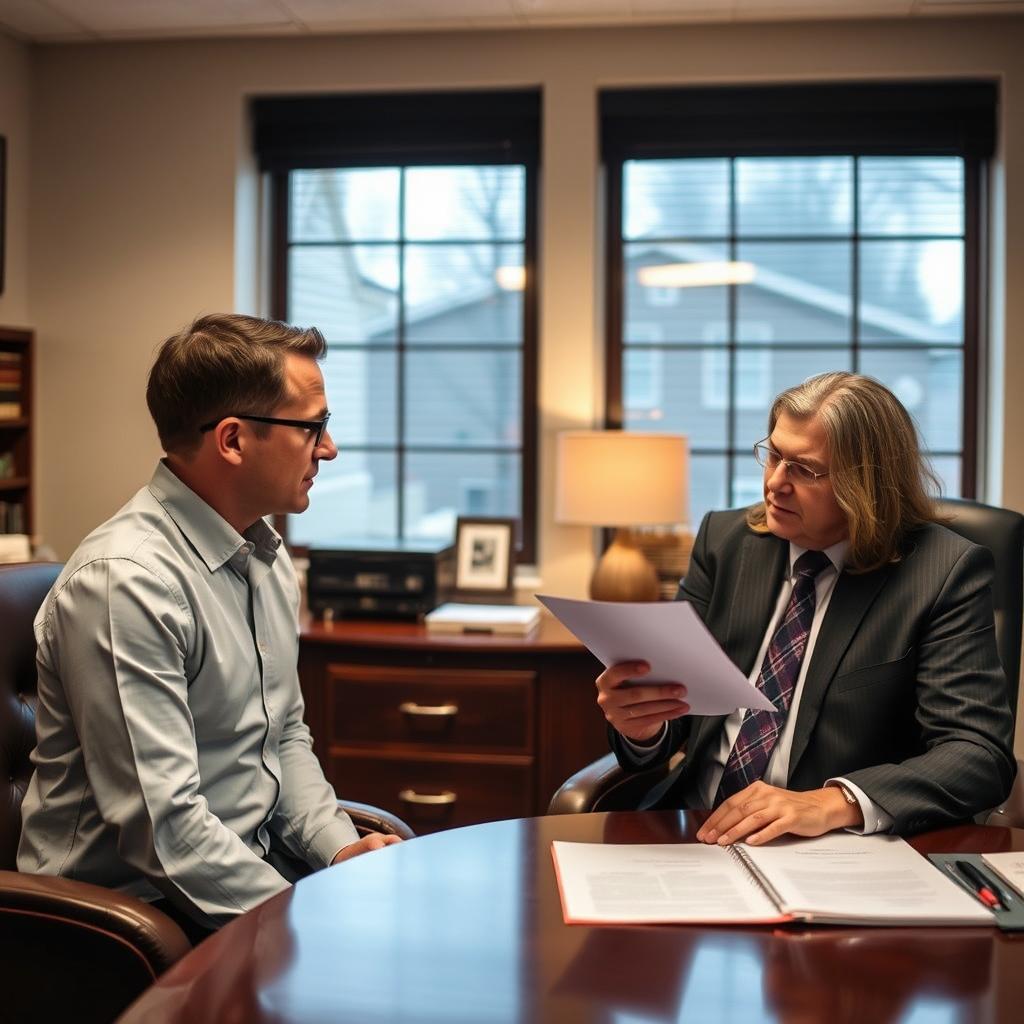
Catholic Annulment Lawyer in Chesapeake, Virginia — Understanding Your Options
A Catholic annulment is a declaration by a Church tribunal that a marriage was not sacramentally valid from its beginning. In Chesapeake, this religious process is separate from a civil divorce. A Catholic annulment lawyer Chesapeake can guide you through the intricate diocesan procedures, which require specific evidence and canonical grounds. Law Offices Of SRIS, P.C.
Last verified: April 2026 | Chesapeake General District Court | Virginia General Assembly
While Virginia law governs civil divorce under statutes like Va. Code § 20-91, a Catholic annulment is adjudicated under the Code of Canon Law (Canon 1095 et seq.) by your local diocese. The process examines whether essential elements for a sacramental marriage were present at the time of the wedding. A Catholic annulment lawyer Chesapeake is familiar with the evidence required by the Tribunal, such as witness testimony and psychological evaluations, to support a petition for nullity.
Successfully handling this process requires an understanding of both canonical law and how it intersects with your civil divorce proceedings, particularly concerning issues like remarriage in the Church.
Official Legal Resources
For the civil legal framework surrounding marriage and divorce in Virginia, refer to the official Virginia Code Title 20, Chapter 6. For local court procedures, visit the Chesapeake General District Court website.
- Consult with a Catholic annulment lawyer Chesapeake to assess the canonical grounds for your case.
- File the initial petition (“libellus”) with the Diocesan Tribunal, outlining the reasons for nullity.
- Gather and submit supporting evidence, including witness statements and relevant documents.
- Participate in the Tribunal’s process, which may include interviews with a judge, defender of the bond, and psychological experts.
- Await the decision of the Tribunal, which can be appealed to a higher Church court if necessary.
In Chesapeake, obtaining a Catholic annulment does not affect the legal status of a civil divorce but is a separate ecclesiastical judgment on the validity of the sacramental marriage.
| Process Aspect | Civil Divorce (Virginia) | Catholic Annulment (Canon Law) |
|---|---|---|
| Governing Authority | Chesapeake Circuit Court | Diocesan Tribunal (Diocese of Richmond) |
| Primary Focus | Dissolution of civil marriage contract, asset division, custody | Declaration of nullity of sacramental bond |
| Key Statute/Code | Va. Code § 20-91 et seq. | Code of Canon Law, Canons 1095-1107 |
| Typical Timeline | Months to over a year | Often 12-24 months |
| Effect on Remarriage | Permits civil remarriage | Permits remarriage in the Catholic Church if granted |
Results may vary. Prior results do not guarantee a similar outcome.
Legal Guidance for the Religious Annulment Process
Founded in 1997, Law Offices Of SRIS, P.C. brings over 120 years of combined legal experience to complex family law matters. Our firm understands that the religious annulment process lawyer Chesapeake clients undertake is deeply personal. We provide supportive legal counsel to help you compile the necessary documentation and handle the Tribunal’s requirements, ensuring your petition is presented thoroughly and respectfully. Mr. Sris, the firm’s founder and a former prosecutor, brings a detail-oriented approach to all casework.
Samantha Rae Powers, Associate Attorney at Law Offices Of SRIS, P.C. — Licensed in VA, FL. Experienced family law and civil litigator. View Samantha Rae Powers’s Profile
Representation in Chesapeake
Our firm has a documented record of assisting clients with family law proceedings in Virginia. While every case is unique, our systematic approach to legal challenges applies to supporting clients through the church annulment lawyer Chesapeake process. We work to align your canonical petition with the timeline and outcomes of your civil divorce proceedings.
Results may vary. Prior results do not guarantee a similar outcome.
Contact Our Chesapeake Annulment Lawyers
Our Richmond location serves clients in Chesapeake and surrounding communities. We are accessible via I-64 and other major highways.
Law Offices Of SRIS, P.C.
7400 Beaufont Springs Dr, Suite 300, Rm 395
Richmond, VA 23225
Toll-Free: (888) 437-7747 | Local: (804)201-9009
By appointment only. 24/7 phone consultations.
We serve clients in Chesapeake, Deep Creek, Great Bridge, and Greenbrier.
FAQs: Catholic Annulments in Chesapeake
What is the difference between a divorce and a Catholic annulment?
A divorce dissolves a valid civil marriage. A Catholic annulment is a Church declaration that a sacramental marriage was invalid from the start due to a lack of canonical consent or capacity.
Do I need a civil divorce before seeking a Catholic annulment?
Yes, typically. The Diocese usually requires the civil divorce to be finalized before it will begin a formal annulment process, as it addresses the civil reality of the separation first.
How long does the Catholic annulment process take in Chesapeake?
It depends on the complexity of the case and the Tribunal’s schedule. The process through the Diocese of Richmond often takes between 12 to 24 months from initial petition to a final decision.
Can I remarry in the Catholic Church if I get an annulment?
Yes. If the Tribunal grants a decree of nullity, you are free to marry in the Catholic Church, provided you also meet all other canonical requirements for marriage.
What are common grounds for a Catholic annulment?
Common grounds include a lack of due discretion (immaturity), an inability to fulfill essential marital obligations, or fraud/deception about something essential to the marriage covenant, as defined by Canon Law.