
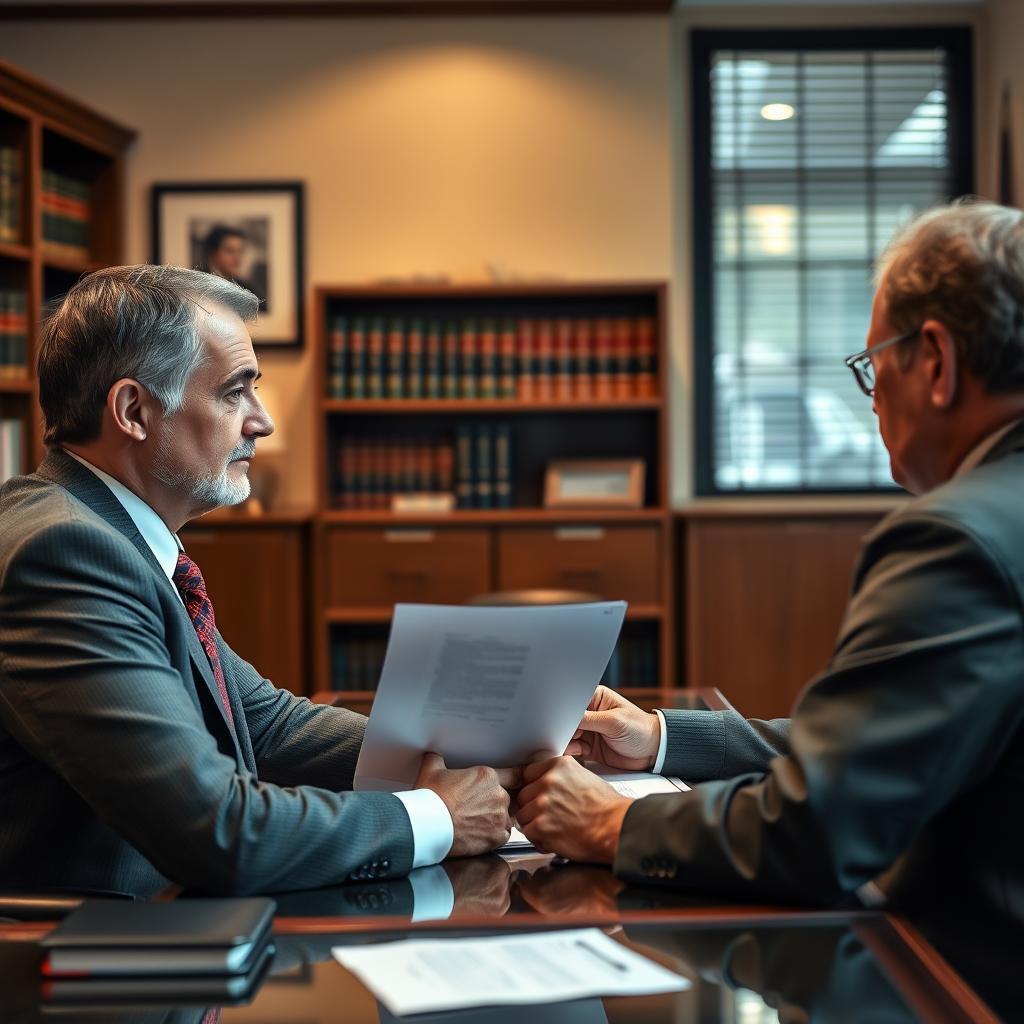
Bringing in and Harboring Aliens lawyer Poquoson, VA
Federal charges for bringing in and harboring aliens under 8 U.S.C. § 1324 carry serious consequences. The United States Attorney’s Office for the Eastern District of Virginia prosecutes these offenses actively, and a conviction can lead to significant prison time, substantial fines, and immigration consequences including deportation. In the federal system, there is no parole, and conviction rates historically exceed 90 percent. Individuals in Poquoson and throughout the Hampton Roads region who are facing federal immigration‑related criminal charges need representation that understands both the criminal and immigration dimensions of the case. Mr. Sris, the firm’s Of Counsel attorneys, and the team at Law Offices Of SRIS, P.C. bring experience in federal criminal defense to clients in Poquoson and surrounding communities. To discuss a federal bringing in and harboring aliens matter, call (888) 437‑7747. Law Offices Of SRIS, P.C. – Advocacy Without Borders.
What Bringing in and Harboring Aliens Means in Poquoson
Poquoson is an independent city on the Chesapeake Bay, located within the Eastern District of Virginia. Federal criminal matters arising in Poquoson fall under the jurisdiction of the U.S. District Court for the Eastern District of Virginia, with the Newport News division being the most geographically convenient venue. The U.S. Attorney’s Office for the EDVA prosecutes all federal immigration crimes in the region, including violations of 8 U.S.C. § 1324. The statute makes it a federal offense to knowingly bring an unauthorized alien into the United States, transport such an alien within the country, or conceal, harbor, or shield an alien from detection. The law also criminalizes encouraging or inducing an alien to enter or reside in the U.S. In violation of the law, as well as conspiring or attempting to commit any of those acts.
Because the charges are federal, the procedures differ from state court. Cases typically begin with an investigation by Homeland Security Investigations (HSI) or other federal agencies, followed by a criminal complaint or grand jury indictment. The United States Sentencing Guidelines are advisory but strongly influence the penalty, and the court considers factors such as the number of aliens involved, whether the conduct was for financial gain, and whether the offense created a risk of serious harm. No parole exists in the federal system, and even first‑time offenders may face mandatory detention and lengthy incarceration if convicted. For someone in Poquoson who is contacted by federal agents or named in an indictment, early legal guidance is critical.
How Mr. Sris and His Of Counsel Handle Bringing in and Harboring Aliens Cases
Federal criminal defense for immigration‑related charges requires a layered approach. The firm’s attorneys begin by examining the government’s investigation: the basis for the search or seizure, the handling of any statements made by the accused, and the sufficiency of the evidence linking the client to the alleged conduct. In bringing in and harboring aliens cases, the government often relies on electronic records, financial documents, and witness testimony. The firm’s Of Counsel attorneys scrutinize each piece for legal challenges, including whether the evidence was obtained in conformity with the Fourth Amendment and whether the government can meet its burden on every element of the offense.
The firm also evaluates the immigration status of the individual charged, because a criminal conviction under § 1324 may trigger removal proceedings and other immigration consequences beyond the criminal sentence. Where appropriate, the firm negotiates with the Assistant U.S. Attorney to seek a resolution that minimizes collateral immigration effects. If a trial is in the client’s interest, the firm prepares a defense for presentation in the U.S. District Court in Newport News or Alexandria. Throughout the process, the firm works to preserve the client’s rights from the initial appearance and detention hearing through sentencing. Every case is different, but the firm’s approach emphasizes thorough case analysis, clear communication with the client, and readiness to take the matter to trial when necessary.
About Mr. Sris and His Of Counsel Team
Mr. Sris is the Owner and Founder of Law Offices Of SRIS, P.C. A former prosecutor, he has practiced since founding the firm in 1997 and is admitted in Virginia, Maryland, the District of Columbia, New Jersey, and New York. He testified before the Virginia House Courts of Justice Committee in support of 2019 HB 635 (chief patron Del. David Bulova). The firm’s Of Counsel attorneys work with Mr. Sris in federal criminal matters, and together they bring extensive combined legal experience. Results may vary. The firm’s federal practice includes representing clients in the Eastern and Western Districts of Virginia, including the Newport News and Norfolk divisions.
Frequently Asked Questions
How does a Virginia lawyer defend against bringing in and harboring aliens charges?
Defense strategies often focus on challenging the government’s evidence that the defendant acted knowingly and that the individuals involved were in fact aliens not lawfully in the United States. An attorney may also examine whether law enforcement complied with constitutional requirements during the investigation and arrest. In some cases, the defense may argue that the client lacked the specific intent required by the statute or that the conduct does not fall within the statutory definitions of bringing, transporting, or harboring. Because federal prosecutors must prove each element beyond a reasonable doubt, a thorough review of discovery and witness statements can reveal weaknesses in the government’s case. Every defense is fact‑specific, and early involvement of counsel is important to preserving options.
What should I do if I am facing bringing in and harboring aliens charges in Virginia?
If you are facing these charges, you should immediately contact an experienced federal criminal defense attorney and refrain from discussing the matter with anyone other than your lawyer. Do not speak with federal agents or investigators without counsel present. Preserve any documents, emails, or records that may be relevant, but do not alter or destroy anything. Federal prosecutors often begin building their case early, and your statements can be used against you. An attorney can advise you on how to handle an indictment or criminal complaint, assist with pre‑trial release arguments, and begin evaluating the government’s evidence. Prompt action helps ensure that your rights are protected from the outset.
What are the penalties for bringing in and harboring aliens in Virginia?
The penalties are set by federal law and depend on the specific subsection of 8 U.S.C. § 1324 under which a person is convicted. For a basic harboring or transporting offense, a conviction can carry up to 5 years in prison. If the offense was committed for commercial advantage or private financial gain, the maximum term increases to 10 years. When the offense results in serious bodily injury or places the life of any person in jeopardy, the maximum rises to 20 years, and if death results, the penalty can be life imprisonment. In addition to incarceration, the court may impose fines, supervised release, and forfeiture of property. A conviction may also trigger removal from the United States for non‑citizens.
What is the difference between state and federal charges?
Federal charges are prosecuted by the U.S. Attorney’s Office rather than a local commonwealth’s attorney and fall under the jurisdiction of the U.S. District Court, not a state general district or circuit court. The procedural rules and sentencing structure are federal. The U.S. Sentencing Guidelines provide the framework for judges, and the federal system has no parole. Federal investigations are often conducted by agencies such as HSI, the FBI, or the DEA, and the resources of the government are substantial. Because federal criminal defense involves distinct rules of evidence, discovery obligations, and pre‑trial motion practice, it is important to work with an attorney who understands the federal court system.
Do I need a lawyer for bringing in and harboring aliens charges in Virginia?
You are not legally required to hire a lawyer, but having experienced counsel is highly advisable given the severity of the charges and the complexity of the federal system. The government will be represented by an Assistant U.S. Attorney backed by the resources of a federal agency. Defending against these charges requires knowledge of the Federal Rules of Criminal Procedure, the Immigration and Nationality Act, and the interplay between criminal and immigration law. An attorney can evaluate the strength of the prosecution’s case, negotiate on your behalf, and represent you at detention hearings, plea discussions, and trial. Representing yourself in federal court puts you at a significant disadvantage.
How long does a federal criminal case take in Virginia?
The timeline varies considerably based on the complexity of the case, the number of defendants, and the court’s docket, but a typical federal criminal matter may take several months to over a year to resolve. The Speedy Trial Act requires that an indictment be returned within 30 days of arrest and that trial begin within 70 days of indictment, but many delays are excluded from the calculation—including time for pre‑trial motions and the parties’ preparation. Complex immigration‑crime cases involving multiple defendants or extensive financial evidence often take longer. The firm works to move the case forward efficiently while ensuring a thorough defense.
Outbound Authority Links
U.S. District Court for the Eastern District of Virginia |
United States Attorney’s Office – EDVA |
8 U.S.C. § 1324 (Cornell LII)
Attorney advertising. Prior results do not guarantee a similar outcome.
Case results depend on a variety of factors unique to each case.