
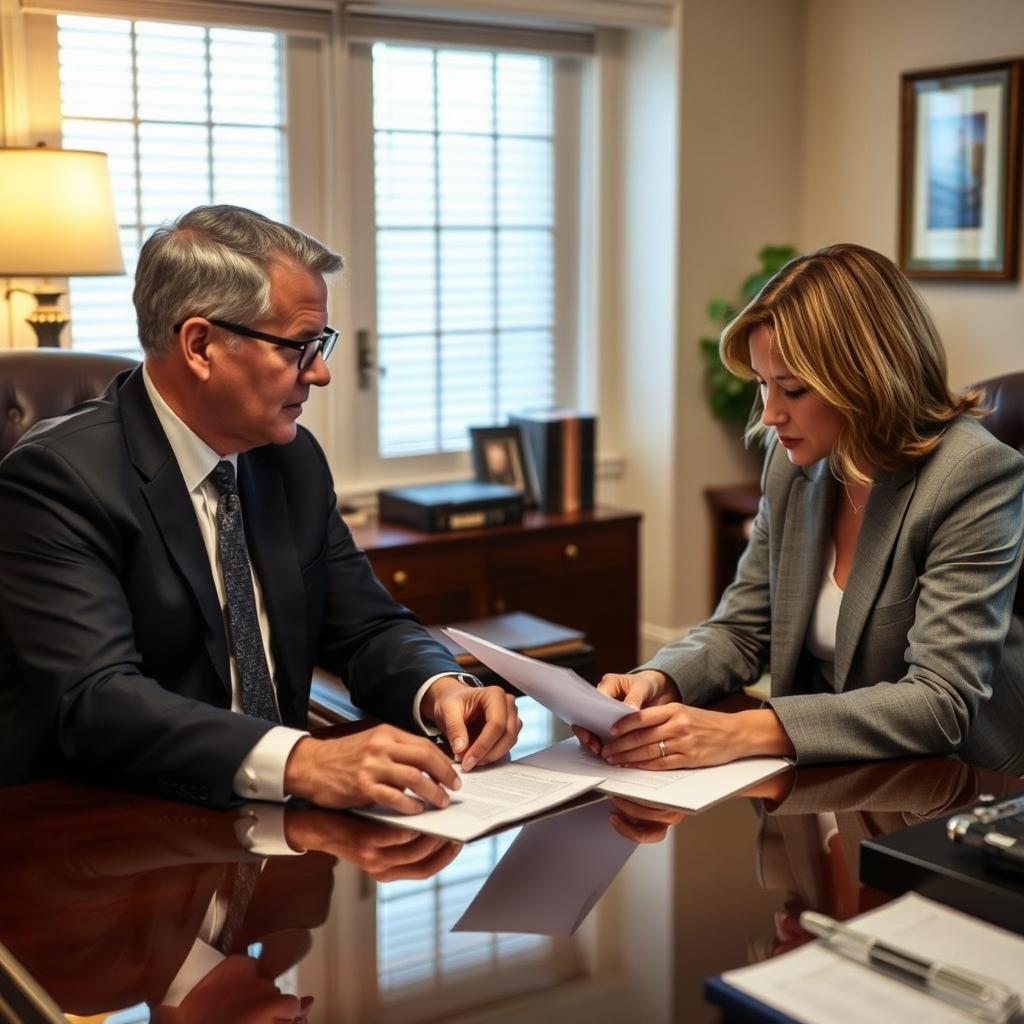
Armed Forces Divorce Lawyer Fluvanna County
An Armed Forces Divorce Lawyer Fluvanna County handles the unique legal dissolution for military members. Virginia law incorporates federal protections like the Servicemembers Civil Relief Act. The Fluvanna County Circuit Court manages these cases. You need a lawyer who knows both state divorce statutes and military regulations. Law Offices Of SRIS, P.C.—Advocacy Without Borders. provides this specific representation. (Confirmed by SRIS, P.C.)
Statutory Definition of Military Divorce in Virginia
Virginia Code § 20-91 governs the grounds for divorce, applying equally to military and civilian spouses. The classification is a civil matter, not criminal, with the maximum penalty being the dissolution of marriage and attendant court orders. For military members, Virginia Code § 8.01-15.1 incorporates the federal Servicemembers Civil Relief Act (SCRA). This provides critical protections against default judgments during active duty or deployment. The SCRA allows for stays of proceedings and postponements. This ensures service members can participate in their own divorce cases. An Armed Forces Divorce Lawyer Fluvanna County must handle this dual statutory framework. The lawyer applies Virginia’s divorce laws while enforcing federal military protections.
The core legal process for ending a marriage is the same for all Virginia residents. Military status adds specific legal layers and potential complications. A civilian divorce lawyer may not understand these nuances. The division of military retirement pay is governed by both state law and the Uniformed Services Former Spouses’ Protection Act (USFSPA). Virginia courts can treat disposable retired pay as marital property. Proper valuation and division require precise legal work. Jurisdiction can be a major hurdle. A service member may not meet Virginia’s six-month residency requirement for filing. The non-military spouse often must establish domicile in the state. Filing in the wrong court wastes time and money.
Military pension division follows specific federal and state rules.
The Uniformed Services Former Spouses’ Protection Act allows state courts to divide military retirement. Virginia law treats this pension as marital property if accrued during the marriage. The court uses a “coverture fraction” to determine the share. This calculation considers the length of marriage overlapping with service time. Direct payments from the Defense Finance and Accounting Service require a court order meeting federal standards. An incorrect order will be rejected by DFAS. This delays financial settlements for both parties.
Child custody and support calculations adjust for military allowances.
Virginia child support guidelines use gross income as a base. For service members, gross income includes Basic Allowance for Housing (BAH) and Basic Allowance for Subsistence (BAS). These allowances are considered part of total income for support calculations. Custody arrangements must account for potential deployments and Permanent Change of Station (PCS) moves. Parenting plans need specific terms for long-distance visitation during service obligations. The court prioritizes the child’s best interests while recognizing military duties. Failure to properly account for allowances can result in an unfair support order.
The Servicemembers Civil Relief Act prevents default judgments.
The SCRA mandates a 90-day stay of proceedings upon request if military service affects the member’s ability to appear. The court can grant additional stays as necessary. This protection applies during active duty and for 60 days after termination. A plaintiff must file an affidavit regarding the defendant’s military status before seeking a default. If the defendant is in the military, the court cannot enter a default judgment without appointing an attorney. This federal law ensures service members are not disadvantaged by their duty. An experienced lawyer uses this act to protect client rights.
The Insider Procedural Edge in Fluvanna County Circuit Court
The Fluvanna County Circuit Court is located at 132 Main Street, Palmyra, VA 22963. All divorce cases for Fluvanna County residents are filed here. The court handles both contested and uncontested military divorces. Procedural specifics for Fluvanna County are reviewed during a Consultation by appointment at our Fluvanna County Location. The court follows Virginia Supreme Court rules for civil procedure. Local rules may affect filing deadlines and motion practices. Knowing the preferences of the local clerk’s Location saves time. Military divorce filings require additional documentation. You must provide proof of service member status and any deployment orders.
The timeline for a divorce in Virginia varies. An uncontested divorce with a separation agreement can finalize faster. A contested divorce with complex military asset division takes much longer. The mandatory separation period is a key factor. A no-fault divorce requires one year of separation if there are minor children. It requires six months of separation with a property settlement agreement and no minor children. The court’s docket schedule in Fluvanna County impacts final hearing dates. Filing fees are set by Virginia statute and are subject to change. Current fees should be verified with the Fluvanna County Circuit Court Clerk. Additional costs may include service of process fees and mediation expenses.
Filing fees and costs are determined by the Virginia Supreme Court.
The base filing fee for a divorce complaint is set by state law. Fees are paid to the Fluvanna County Circuit Court Clerk at the time of filing. There may be extra charges for serving papers on a spouse stationed overseas. Certified copy fees apply for final decrees needed for DFAS or the VA. Military members should budget for these necessary court costs. Some fees may be waived for service members under certain conditions. Your lawyer can advise on potential cost savings.
The court’s scheduling depends on judicial availability and case complexity.
Fluvanna County Circuit Court has specific terms for hearing civil cases. A simple, uncontested divorce may be placed on a motions docket. A contested trial with witness testimony requires a full-day trial slot. The court coordinates dates around the service member’s leave schedule when possible. Judges in Fluvanna County are familiar with military obligations. They generally accommodate legitimate scheduling conflicts due to duty. Proactive communication from your attorney is essential to secure favorable dates.
Local rules require specific formatting for all filed documents.
The Fluvanna County clerk’s Location has requirements for pleadings. Documents must be on specific paper size with proper margins. Captions must include the correct circuit court designation. Military divorce complaints should clearly state the defendant’s service status. All financial statements must use Virginia’s standardized forms. Non-compliance leads to rejection of filings and delays. An attorney experienced in this court knows these technical requirements.
Penalties & Defense Strategies in Military Divorce Cases
The most common penalty range in a divorce is financial, involving asset division, support orders, and legal fees. There is no jail time for divorce itself, but failure to comply with court orders can lead to contempt sanctions. The table below outlines key financial outcomes.
| Offense / Issue | Penalty / Outcome | Notes |
|---|---|---|
| Division of Military Pension | Up to 50% of disposable retired pay awarded to former spouse. | Governed by USFSPA; requires a qualified court order. |
| Spousal Support | Monthly payments based on need, ability to pay, and marital standard of living. | Duration varies by marriage length; military income includes allowances. |
| Child Support | Guideline amount based on gross income, including BAH/BAS. | Virginia uses a shared income model; medical and childcare costs added. |
| Contempt for Non-Payment | Fines, wage garnishment, suspension of driver’s/license professional licenses. | Enforced by the Fluvanna County Circuit Court. |
| Attorney’s Fees | Court may order one party to pay the other’s reasonable legal costs. | Common in cases with bad faith litigation or income disparity. |
[Insider Insight] Local prosecutors are not involved in divorce, but Fluvanna County judges expect full financial disclosure. Judges here scrutinize attempts to hide income or assets, especially military benefits. Failure to disclose BAH or special duty pay is viewed harshly. The court favors settlements that provide stability for children. Demonstrating a commitment to co-parenting despite military duties is persuasive. An attorney who can present a clear, fair parenting plan has an advantage.
Defense strategy starts with accurate valuation of all military benefits.
You must identify every element of military compensation. This includes base pay, BAH, BAS, longevity pay, and special incentive pays. Retirement points and Thrift Savings Plan accounts are marital assets. The Survivor Benefit Plan (SBP) election has long-term financial consequences. A lawyer must secure a complete Leave and Earnings Statement (LES). This document is the foundation for accurate support calculations. Underestimating income leads to unsustainable court orders.
Protecting parenting time during deployments requires a detailed plan.
The parenting plan must address extended absences due to service. It should define communication methods during deployment. The plan can allocate make-up visitation time upon return. It may grant temporary decision-making authority to the custodial parent. The goal is to maintain the child’s relationship with the service member parent. Courts approve plans that prioritize the child’s routine and emotional security. A vague plan invites future conflict and modification petitions.
Negotiating a separation agreement can avoid costly litigation.
A well-drafted agreement resolves property, support, and custody issues. It becomes a binding contract incorporated into the final divorce decree. This process is often faster and less adversarial than a trial. It allows creative solutions specific to military life. The agreement must be precise to be enforceable by DFAS or the VA. Having a lawyer draft and review the agreement prevents future disputes. This is a primary defense against post-divorce litigation.
Why Hire SRIS, P.C. for Your Fluvanna County Military Divorce
Our strongest attorney credential is direct experience with the military legal system and Virginia courts. SRIS, P.C. attorneys understand the pressure of service and the complexity of military finance. We assign lawyers familiar with Fluvanna County Circuit Court procedures. Our team knows how to draft Qualified Domestic Relations Orders for military pensions. We ensure compliance with both Virginia law and Department of Defense regulations. We protect your parental rights during and after deployment. Our focus is on achieving stable, enforceable outcomes for your family.
SRIS, P.C. provides focused representation for service members in Fluvanna County. We have a Location serving the legal needs of Virginia’s military community. Our approach is direct and strategic. We explain the process in clear terms without false promises. We prepare every case as if it will go to trial. This preparation often leads to better settlement offers. We handle the paperwork and court appearances so you can focus on your duty. Our goal is to resolve your family law matter efficiently and fairly. You need a lawyer who speaks the language of both the military and the Virginia court system.
The firm’s structure supports service members across the state. We have resources dedicated to Virginia family law attorneys practice. Our team collaborates on complex asset division cases. We stay current on changes to the USFSPA and SCRA. This knowledge is critical for accurate advice. We represent active duty, reserve, and retired personnel. We understand the unique stresses a divorce places on a military career. Our advocacy is designed to minimize disruption to your service. We provide criminal defense representation as well, though that is a separate legal matter.
Localized FAQs for Military Divorce in Fluvanna County
How does deployment affect my Fluvanna County divorce filing?
The Servicemembers Civil Relief Act allows you to request a stay of proceedings. This postpones the case until you can participate. Inform your lawyer and the court immediately of deployment orders.
Can my spouse get part of my military retirement in Virginia?
Yes. Virginia courts can divide disposable retired pay accrued during the marriage. A Qualified Domestic Relations Order is required for direct payments from DFAS.
Where do I file for divorce if I’m stationed outside Fluvanna County?
You or your spouse must meet Virginia’s six-month residency requirement. The non-military spouse often files in Fluvanna County Circuit Court if they live there.
How is BAH calculated for child support in Virginia?
Basic Allowance for Housing is included in gross income for Virginia child support guidelines. The full BAH amount is typically considered, unless specific circumstances apply.
What is a military divorce lawyer’s cost in Fluvanna County?
Costs vary by case complexity and whether it is contested. You pay for attorney time, court fees, and related expenses. A Consultation by appointment provides a specific estimate.
Proximity, CTA & Disclaimer
SRIS, P.C. serves clients in Fluvanna County and surrounding areas. Our Virginia Location is accessible to residents of Palmyra, Fork Union, and Lake Monticello. We understand the local legal area. Consultation by appointment. Call 888-437-7747. 24/7. Our legal team is ready to discuss your military divorce case. We provide clear advice on your options under Virginia law. We represent service members at all stages of the divorce process. Contact us to schedule a case review with an our experienced legal team member. We also handle related matters like DUI defense in Virginia. The firm’s NAP is: SRIS, P.C., Phone: 888-437-7747.
Past results do not predict future outcomes.